So, you’ve noticed your maple tree isn’t looking its best. Maybe the leaves are off-color, or there’s something weird on the bark. It’s natural to wonder, ‘Why is my maple tree dying?’ It can be upsetting to see a tree you’ve enjoyed for years start to struggle. This post is here to help you figure out what might be going on and what you can do about it.
Recognizing Signs Of A Maple Tree Dying
It can be really worrying when you start noticing your once-proud maple tree looking a bit off. You might be wondering, “Why is my maple tree dying?” The first step is to become a good observer and look for the tell-tale signs. Catching these early can make a big difference in whether your tree can be saved.
Discolored or Unhealthy Foliage
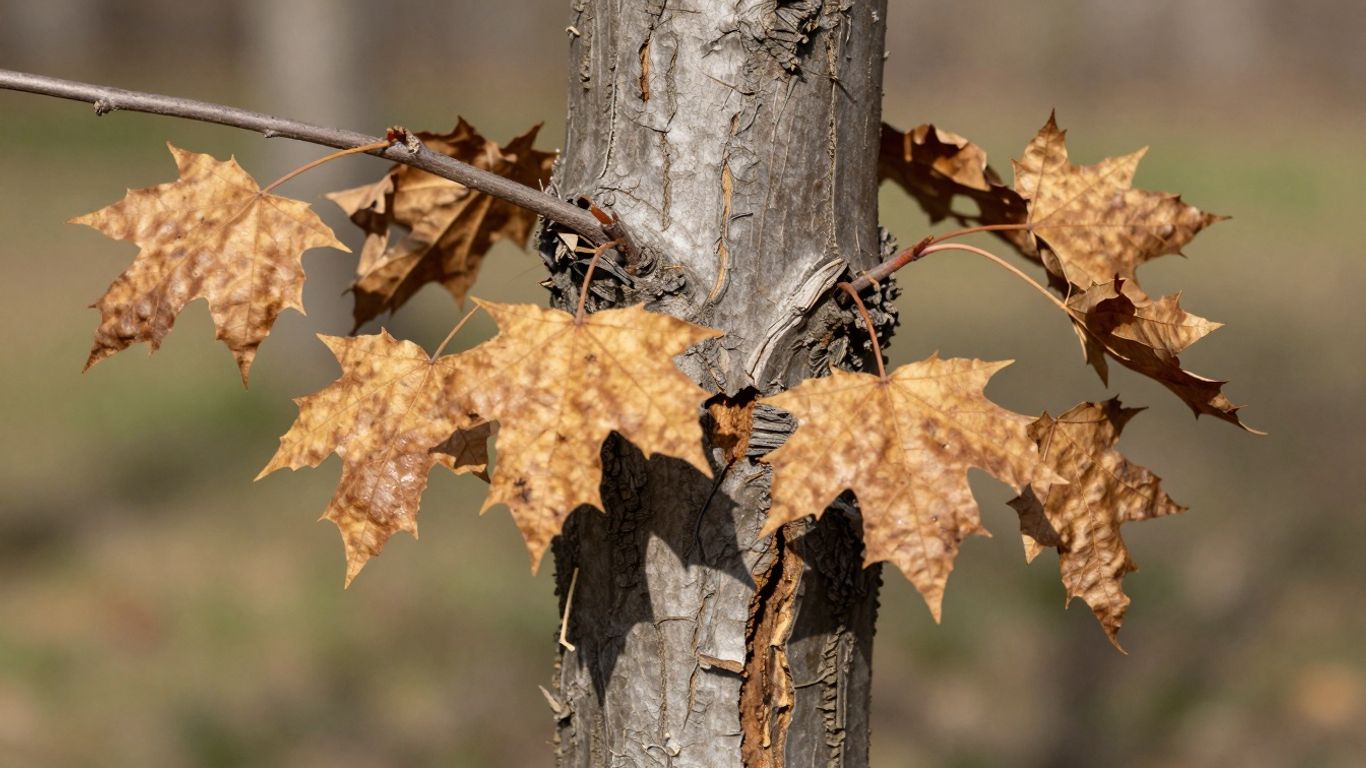
Leaves are often the first place you’ll see trouble. Instead of their usual vibrant green, you might see them turning yellow, brown, or even developing black spots. Sometimes, the leaves might just look generally dull or wilted, even when the weather is fine. This discoloration can signal that something is blocking the flow of water or nutrients to the leaves, or it could be a sign of a fungal issue.
Bark Damage and Deterioration
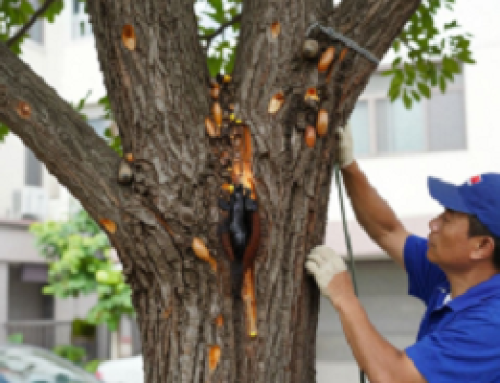
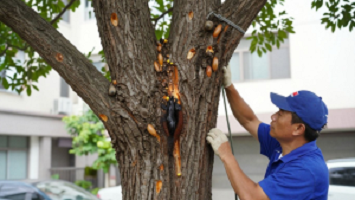
Take a close look at the trunk and branches. Is the bark cracking, peeling away in large sections, or looking unusually rough? You might even see oozing or strange powdery substances. Damaged bark is like an open door for diseases and pests to get into the tree, and it can also disrupt the flow of vital sap.
Branch Dieback and Decay
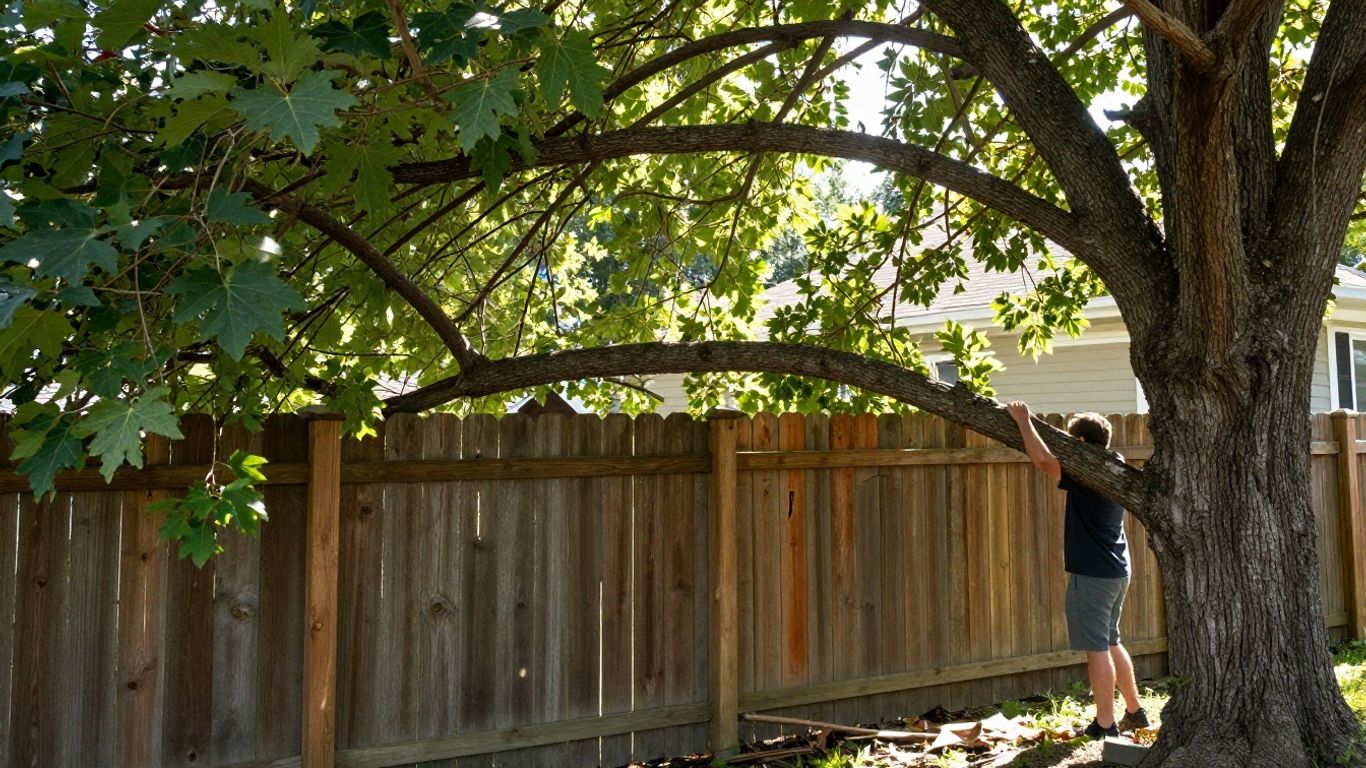
One of the most obvious maple tree dying signs is when branches start to die off. You’ll notice that some branches have no leaves, or the leaves they do have are brown and brittle. As the problem gets worse, you might see entire maple tree limbs dying . Sometimes, these dead branches will feel unusually light or even hollow if you tap them, indicating decay.
Overall Lack of Vitality
Beyond specific symptoms, the whole tree might just seem… sad. Growth might slow down considerably, or new twigs might be short and sparse. The tree might look generally less full and robust than it used to. It’s like the tree has lost its energy and isn’t putting out the same vigorous growth it once did. This general decline is often a combination of other issues taking their toll. Sometimes, a tree’s decline isn’t caused by just one thing. It can be a mix of environmental stress, like not enough water, combined with a pest problem or a disease that takes advantage of the weakened state. Paying attention to all these signs together gives you a better picture of what’s going on. Here are some common things to look for:
- Leaf Color Changes: Yellowing, browning, or black spots.
- Bark Issues: Cracks, peeling, oozing, or unusual textures.
- Branch Health: Dead leaves, brittle twigs, or entire branches without foliage.
- Growth Patterns: Reduced new growth, sparse canopy, or general lack of vigor.
- Unusual Spots or Growths: Fungal spots on leaves or cankers on branches.
Common Diseases Affecting Maple Trees
Maple trees, as lovely as they are, can sometimes fall victim to a variety of diseases. It’s not always obvious what’s going on, but recognizing these common culprits can help you figure out why your tree is looking a bit rough.
Verticillium Wilt’s Vascular Attack
This is a nasty one, caused by a fungus that lives in the soil. It sneaks into the tree’s water-transporting system, called the vascular system. Think of it like a clog in a pipe. The tree starts to wilt, and leaves might turn yellow or brown, often on just one side of a branch or even the whole tree. There’s no real cure once it takes hold, but keeping the tree watered and fed can help it fight back a bit. You might see dieback on branches, and the leaves can look scorched.
Tar Spot’s Leaf Discoloration
If your maple’s leaves are getting these weird, black, tar-like spots, especially later in the summer, it’s probably Tar Spot. It’s a fungal disease that mostly just makes the leaves look bad. They might turn yellow or brown around the spots and eventually drop off. While it doesn’t usually kill the tree, it can weaken it over time if it’s a really bad infection. Cleaning up fallen leaves in the fall is a good way to try and stop it from coming back next year.
Anthracnose’s Fungal Impact
Anthracnose is another fungal issue, and it tends to show up more when the weather is damp and humid. It can cause irregular brown or black spots on leaves, and sometimes the edges of the leaves get a scorched look. Twigs and small branches can also be affected, showing dark, sunken areas called cankers. In wet conditions, you might even see fuzzy, gray mold on the infected parts. It’s more common on certain types of maples, like dogwoods, but maples can get it too. Proper pruning in Ottawa to improve air circulation is key here.
Branch Cankers and Their Spread
Cankers are basically dead, sunken areas on the bark of branches or the trunk. They’re often caused by fungi or bacteria that get into the tree through wounds. You might see oozing sap around the canker, or the bark might look cracked and discolored. If a canker completely circles a branch, that part of the branch above the canker will likely die. It’s important to prune out infected branches well below the canker to try and stop it from spreading. Sometimes, these cankers are a sign of a more serious underlying disease or stress.
Pest Infestations Weakening Your Maple
Sometimes, the culprit behind your maple’s troubles isn’t a disease or bad weather, but tiny critters. A number of common insects can really do a number on your tree, weakening it over time and making it an easier target for other problems. It’s like a domino effect, but for trees.
Aphids and Scale Insects
These little guys are sap-suckers, plain and simple. Aphids are small, pear-shaped insects that often cluster on new growth, like the undersides of leaves or on tender shoots. They’re usually green, but can be other colors too. Scale insects are a bit different; they look more like tiny bumps or shells stuck to branches and twigs. They also feed on sap. A heavy infestation of either can leave your maple looking weak, with yellowing leaves and stunted growth. You might also notice a sticky residue called honeydew, which can lead to a black, sooty mold growing on the leaves and branches. It’s not pretty, and it’s definitely not good for the tree.
Borers and Their Damage
Borers are a bit more insidious. These are typically the larvae of beetles or moths that tunnel into the bark and wood of the tree. They can be really hard to spot until the damage is significant. Signs to look for include small holes in the bark, sawdust-like material (called frass) accumulating at the base of the tree or on branches, and sections of the tree dying back. Different types of borers target different parts of the tree, but all of them disrupt the flow of water and nutrients. Some common ones to watch out for include emerald ash borers (though they target ash, other borers affect maples) and various types of bark beetles.
Oystershell Scale’s Impact
This is a specific type of scale insect, and it’s worth mentioning on its own because it can be particularly damaging to maples. As the name suggests, the adult scales look like tiny oyster shells, usually gray or brown, and they cover twigs and small branches. They feed on the tree’s sap, and a large population can seriously weaken branches, leading to dieback. You might see the honeydew and sooty mold here too. If you see branches that look like they’ve been painted with tiny shells, it’s a strong indicator of oystershell scale. Dealing with insect infestations often requires a multi-pronged approach. Sometimes, a strong blast of water can dislodge aphids, while more persistent problems might need horticultural oils or insecticidal soaps. For borers, it gets trickier, and often professional help is needed to identify the specific borer and recommend the best course of action, which might involve specific treatments or even removing heavily infested parts of the tree. Here are some general signs that pests might be the problem:
- Sticky residue (honeydew) on leaves or branches.
- Presence of small insects (like aphids) or shell-like coverings (like scale).
- Sawdust-like material near the trunk or branches.
- Unusual holes in the bark.
- Leaves turning yellow or brown prematurely, or wilting.
- Dieback of branches, starting from the tips.
Environmental Stressors On Maple Health
Sometimes, it’s not a bug or a fungus that’s making your maple tree look sad. It could just be the environment it’s living in. Maple trees, as lovely as they are, can be pretty sensitive to their surroundings. If things aren’t quite right, they start to show it, and that’s when you see that decline.
Drought and Water Scarcity
This is a big one. Maples need a decent amount of water, especially when they’re young or during really hot, dry spells. If the soil stays dry for too long, the tree just can’t get enough moisture to keep its leaves green and its branches healthy. You might notice the leaves wilting, turning brown at the edges, or even dropping off way before autumn. Consistent watering is key during dry periods. If you’re in an area prone to drought, consider adding a layer of mulch around the base of the tree to help keep the soil moist. Just make sure the mulch isn’t piled right up against the trunk.
Soil Compaction and Drainage Issues
Maples really don’t like having their roots all squished. When soil gets compacted, usually from heavy foot traffic or construction nearby, it makes it hard for water and air to get to the roots. Poor drainage is another problem; if water sits around the roots for too long, they can actually rot. You’ll see similar signs to drought stress – yellowing leaves, dieback – but it’s because the roots are suffocating or drowning. It’s a good idea to check if water pools around your tree after it rains. If it does, you might need to look into improving the soil’s drainage. Sometimes, just aerating the soil can make a difference.
Sunlight and Shade Imbalances
Most maple trees prefer a good balance of sun and shade. Too much intense, direct sun, especially in the afternoon, can scorch the leaves, particularly on younger trees or those not used to full sun. On the other hand, if a tree that’s used to sun suddenly gets plunged into deep shade, it can also struggle. Signs of too much sun include scorched or bleached-looking leaves, while too much shade might lead to weaker growth and fewer leaves. It’s about finding that sweet spot for your specific maple variety.
De-icing Salt Damage
If your maple tree is anywhere near a road or sidewalk that gets treated with salt in the winter, it’s a prime candidate for salt damage. The salt gets into the soil and can really mess with the tree’s ability to take up water and nutrients. You’ll often see the tips and edges of the leaves turn brown and crispy, sometimes starting in early summer. It can also cause the bark to crack or peel. To help prevent this, you can try to create a barrier to keep salt runoff away from the tree’s roots, or choose salt-tolerant species if you’re planting new trees in a high-risk area. A professional arborist can help assess the damage and suggest treatments for your maple tree’s health. Environmental stressors can really weaken a tree, making it an easy target for diseases and pests that it might otherwise fight off. Addressing these environmental issues is often the first step in helping a struggling maple recover.
Root Problems Affecting Maple Trees
Sometimes, the issues plaguing your maple tree aren’t visible from the trunk or leaves. They can start way down below, in the dirt. The roots are like the tree’s lifeline, and if they’re not happy, the whole tree suffers. It’s a bit like us feeling off when our stomach’s upset, you know?
Stem Girdling Roots
This is a pretty common problem, especially with trees planted in containers or when they’re young. Basically, a root starts growing in a circle around the trunk, or sometimes even wraps around other roots. As the tree grows, this root tightens, like a belt that’s too small. It cuts off the flow of water and nutrients. You might see the trunk looking a bit sunken where the root is, or the tree just won’t grow much. It can also lead to branches dying off, especially on one side, and the leaves might look sad and wilted, even when it’s not that dry out.
- Look for: A root circling the trunk at the soil line.
- Symptoms: Stunted growth, poor leaf color, early leaf drop, branch dieback.
- What to do: If you catch it early, you might be able to carefully cut the girdling root. For older trees, it’s often best to call in an arborist.
Ganoderma Root Rot
This one’s caused by a fungus, Ganoderma . It attacks the roots and the base of the trunk. You might not see much wrong until it’s pretty advanced. Sometimes, you’ll see these bracket-like or shelf-like mushrooms growing at the base of the tree. They can be quite large. The tree’s roots get damaged, making it hard to take up water. This can lead to yellowing leaves, dieback, and a general decline. It’s a serious issue that weakens the tree significantly.
Armillaria Root Rot
Another fungal culprit, Armillaria , also targets the roots. This one can be a bit sneakier. You might see white, fan-shaped fungal growth under the bark near the base of the tree, or sometimes black, root-like structures called rhizomorphs snaking through the soil. Like Ganoderma, it messes with the roots’ ability to function. Symptoms are similar: wilting, yellowing leaves, and dieback. It often takes advantage of trees that are already stressed by other things. Dealing with root problems can be tricky because you can’t always see what’s going on. It’s like trying to fix a leaky pipe you can’t find. Regular checks around the base of the tree and paying attention to subtle changes in the leaves and branches are your best bet for catching these issues early.
Addressing Your Maple Tree’s Decline
So, you’ve noticed your maple tree isn’t looking its best. It’s a tough situation, seeing a tree you’ve enjoyed for years start to struggle. But don’t panic just yet. There are definitely steps you can take to try and help your tree bounce back, or at least make its remaining time as comfortable as possible. The first and most important step is getting a proper diagnosis. Trying to guess the problem can lead to wasted effort and potentially make things worse.
Professional Diagnosis and Treatment
This is where you really want to bring in the pros. An arborist, someone who really knows trees, can look at your maple and figure out exactly what’s going on. They’ve seen it all – diseases, pests, soil issues, you name it. They can tell you if it’s something like Verticillium Wilt or a pest infestation. Based on their findings, they’ll suggest a plan. This might involve specific treatments, like applying a fungicide if it’s a fungal issue, or pruning away diseased branches. Sometimes, they can even help with soil amendments to give your tree a better chance. Don’t underestimate the power of getting an expert opinion; it’s often the most direct route to helping your tree.
Improving Growing Conditions
Even with professional help, your tree needs a good environment to thrive. Think of it like taking care of yourself when you’re not feeling well – you need rest, good food, and the right conditions. For your maple, this means making sure it’s getting enough water, especially during dry spells. Deep, slow watering is best, letting the water soak down to the roots. Adding a layer of mulch around the base can help keep the soil moist and regulate its temperature. Also, check the soil itself. Is it compacted? Does water drain well? Sometimes, simple fixes like improving drainage or aerating the soil can make a big difference. You might also want to look into fertilizing your maple tree if the soil is lacking nutrients.
Managing Pests and Diseases
Once you know what you’re dealing with, you can tackle it head-on. If it’s a disease, like Tar Spot, the arborist might recommend specific treatments or suggest ways to clean up fallen leaves to reduce the spread of spores. For pests, like aphids or scale insects, they might suggest natural predators or, if necessary, targeted treatments. It’s all about addressing the specific problem identified during the diagnosis. Sometimes, just pruning away affected branches can stop a disease or pest from spreading further.
Caring for Aging Maple Trees
Let’s be honest, sometimes trees just get old. If your maple is well past its prime and showing signs of decline that can’t be reversed, the focus shifts. It’s about making its final years as good as they can be. This might mean ensuring it has consistent water, protecting it from harsh conditions, or simply enjoying its presence without expecting it to put on a show. It’s a bit like caring for an elderly relative; you provide comfort and support. While it’s sad to see a tree decline, focusing on its comfort can be a peaceful way to manage the situation.
Wrapping It Up
So, seeing your maple tree looking rough can be pretty worrying. We’ve gone over a bunch of reasons why that might be happening, from pesky diseases and bugs to just plain old environmental stress or even just getting old. The main thing is to not ignore the signs. If you spot discolored leaves, cracked bark, or dead branches, it’s time to figure out what’s going on. Sometimes it’s something you can fix yourself by adjusting watering or adding mulch, but other times, you’ll definitely want to call in a pro, like an arborist, to get a proper diagnosis and treatment plan. Taking care of your tree is a bit like taking care of anything else – a little attention early on can make a big difference. If your trees need expert care after a dry season, trust Wright Tree Service — call us today at +1 613-898-0698 for a professional assessment and peace of mind.
Frequently Asked Questions
What are the first signs that my maple tree might be in trouble?
Keep an eye out for changes in your maple tree’s leaves. If they start to look discolored, like turning yellow, brown, or even black, it’s a sign something’s not right. Also, check the bark for any cracks or peeling, and look for branches that seem dead or are falling off. A general lack of energy or looking unhealthy overall is another clue.
Can diseases really kill a maple tree?
Yes, diseases are a major reason maple trees can get sick and even die. Fungal infections like Verticillium Wilt can attack the tree’s insides, making it wilt. Other issues, like Tar Spot or Anthracnose, mess with the leaves, causing them to discolor and drop. Sometimes, cankers, which are like sores on the branches, can also spread and weaken the tree.
What kind of bugs like to bother maple trees?
Maple trees can be targeted by a few common pests. Aphids and scale insects are tiny bugs that can suck the life out of leaves and branches. Borers are insects that tunnel into the wood, causing damage from the inside. Oystershell scale, for example, looks like little shells on the branches and can weaken the tree if there are too many.
How can things like weather or the ground hurt my maple tree?
Maple trees can struggle if their environment isn’t right. Not getting enough water, especially during dry spells, is a big problem. If the soil is too packed down or doesn’t drain well, the roots can’t breathe or get water. Too much or too little sun can also cause stress. Even the salt used to melt ice on roads can seep into the soil and harm the tree’s roots.
What should I do if I think my maple tree is dying?
The best first step is to figure out exactly what’s wrong. Sometimes, you can help by improving the tree’s environment – like watering it more during dry times or making sure the soil drains better. If it’s a disease or pest problem, you’ll likely need a professional tree expert, called an arborist, to help diagnose and treat it.
Are there any problems with the tree’s roots that can cause it to die?
Absolutely. Roots are super important! If roots grow in a circle around the trunk, they can choke the tree, which is called stem girdling. Also, root rot diseases, like Ganoderma or Armillaria, can attack the roots and the base of the tree, making it weak and unstable. These root issues can lead to branches dying and the tree eventually declining.