So, you’ve got a small backyard and you’re wondering what to do with it? It can feel a bit limiting, right? But honestly, smaller spaces can be really charming and totally doable. Think of it as a cozy canvas. We’re going to look at some simple ways to make your little patch of green a real gem, focusing on what works well for our city’s vibe and climate. Let’s get your Ottawa gardens looking great, even if they’re on the petite side.
Why Small Garden Design Works Well for Ottawa Homes
Living in Ottawa often means dealing with smaller backyards, especially in older neighborhoods. But don’t let the size fool you; a well-thought-out small garden design Ottawa can be just as beautiful and functional as a larger one. In fact, for many homeowners here, it’s the perfect solution. These compact spaces are easier to manage, require less upkeep, and can feel incredibly cozy and intimate. The key is smart planning and choosing elements that work for your specific lot. Instead of trying to cram too much in, focus on creating distinct zones and using vertical space. Think about how you want to use your yard – is it for relaxing, entertaining, growing some veggies, or a bit of everything? Answering these questions first will help guide your design choices.
The Role of Trees in Small Garden Design
Trees can seem like a big commitment in a small yard, but they play a surprisingly important role. They add vertical interest, provide shade, and can even help define different areas within your garden. Choosing the right type of tree is important, of course. You’ll want something that doesn’t grow too large or spread aggressively. A dwarf variety or a tree with a more upright habit can be ideal. Even a single, well-placed tree can make a huge difference to the feel of your outdoor space, offering a sense of maturity and privacy.
Here are a few ways trees contribute to small garden success:
- Shade and Comfort: A mature tree can provide much-needed shade on hot summer days, making your patio or seating area much more enjoyable. This is especially true for homes in the city where direct sun can be intense.
- Vertical Structure: Trees add height and dimension, preventing a small garden from feeling flat or one-dimensional. They draw the eye upward.
- Privacy Screening: Strategically placed trees can offer a natural screen, providing privacy from neighbors without the need for fences or walls.
- Seasonal Interest: Many trees offer beautiful flowers in spring, vibrant foliage in fall, or interesting bark in winter, providing year-round appeal.
For homeowners looking to create a beautiful and manageable outdoor oasis, exploring options with custom tree services in Ottawa can be a great starting point.
Backyard Landscaping Ideas Ottawa Homeowners Can Try
When you’re looking at backyard landscaping ideas for Ottawa homes, it’s easy to feel a bit overwhelmed, especially if your space isn’t huge. But honestly, a smaller yard can be a real advantage if you plan it right. You can create something really special without needing a massive budget or a crew of people. The key is to think about how you’ll actually use the space and what will work best with our local weather.
Raised Garden Beds for Organized Planting
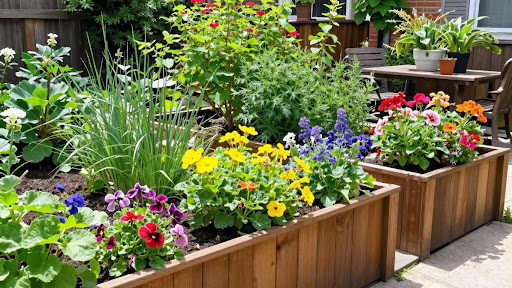
Raised beds are fantastic for keeping things tidy. They give your garden a structured look and make planting and weeding so much easier. Plus, you can control the soil quality better, which is always a win. For the city’s climate, they also help the soil warm up a bit faster in the spring.
- Materials: Consider wood, stone, or even metal. Make sure whatever you choose can handle our freeze-thaw cycles.
- Height: Aim for at least 8-12 inches deep for most vegetables and flowers.
- Placement: Think about sunlight. Most veggies need at least 6-8 hours of sun a day.
Garden Pathways Around Trees
Got a tree or two in your yard? Instead of just letting the grass grow around it, why not make a feature out of it? A simple gravel or stone path winding around a mature tree can add a lot of charm and make your yard feel more expansive. It also makes it easier to get around without compacting the soil right at the tree’s base.
- Material Choice: Gravel is easy to install and drains well. Pavers or flagstone offer a more formal look.
- Width: Make it wide enough to walk comfortably, usually 2-3 feet.
- Edging: Use a simple border to keep the path materials contained.
Patio Spaces Under Shade Trees
Who doesn’t love a shady spot on a hot summer day? If you have a mature tree, think about putting a small patio or seating area right underneath it. It’s a natural way to create a cool, inviting outdoor room. You can use pavers, gravel, or even a simple deck. It’s a great way to make the most of existing features. “Creating distinct zones in your backyard, even small ones, makes the space feel more intentional and usable. A patio under a tree is just one example of how you can define an area for relaxation.”
Layered Landscaping with Trees and Shrubs
To make a small yard feel bigger and more interesting, try layering your plants. Put taller trees or shrubs towards the back or sides, then medium-sized plants in front of them, and finally, low-growing ground cover or flowers at the very front. This creates depth and visual interest. Using native plants is a smart move here; they’re tough and look great year-round.
- Evergreens: Provide structure and color even in winter.
- Deciduous Shrubs: Offer seasonal flowers and fall color.
- Perennials & Groundcovers: Fill in the gaps and add texture.
Choosing the Right Trees for Ottawa Gardens
Picking the right trees for your small garden can feel like a big decision, but it doesn’t have to be overwhelming. You want something that looks good, doesn’t take over your whole yard, and can handle our local weather, which can be pretty wild sometimes. Think about size and growth habits. A towering oak might be beautiful, but it’s probably not the best fit for a postage-stamp backyard. Look for trees that stay relatively compact or have an upright, columnar shape. These can add vertical interest without spreading too wide. Dwarf varieties of popular trees are also a great option. Here are a few types of trees that tend to do well in city’s climate and are suitable for smaller spaces:
- Serviceberry (Amelanchier spp.): These are fantastic multi-season trees. They offer pretty white flowers in spring, edible berries in summer (which birds love!), and great fall color. They usually have a nice, slender form.
- Japanese Maple (Acer palmatum): Many varieties of Japanese maples stay small and offer stunning foliage in shades of red, green, and orange. They add a touch of elegance and are perfect for a focal point.
- Crabapple (Malus spp.): Choose a disease-resistant variety that stays small. They provide beautiful spring blossoms and often have attractive fruit that adds color in the fall and winter.
- Columnar Trees: Think of trees like ‘Columnar English Oak’ or ‘Armstrong’ Maple. Their narrow, upright growth makes them ideal for tight spaces where you need height but not width.
Urban Gardening Ottawa Homeowners Can Start Today
Thinking about getting your hands dirty with some urban gardening Ottawa style? It’s totally doable, even if you’ve only got a postage-stamp-sized yard. You don’t need acres to grow some fresh food or create a little green oasis. One of the easiest ways to start is with raised garden beds. They keep things tidy and make planting a breeze. You can build them yourself or buy kits. For a small space, think about vertical gardening. Trellises, wall planters, and hanging baskets can give you a lot of growing room without taking up much ground. Don’t forget about container gardening. Pots, buckets, even old crates can become homes for herbs, vegetables, or flowers. This is super flexible; you can move them around to catch the best sun or tuck them away when you need the space. Here are a few ideas to get you going:
- Herbs: Basil, mint, chives, and parsley do great in pots on a sunny windowsill or balcony.
- Salad Greens: Lettuce, spinach, and arugula grow quickly and can be harvested multiple times.
- Compact Veggies: Bush beans, cherry tomatoes, and small peppers are good choices for containers.
Choosing the right plants for the city’s climate is key. Native plants are often a good bet because they’re already used to the weather. They tend to be low-maintenance, too, which is a bonus when you’re busy. Think about what you actually like to eat or what flowers would bring you joy.
Compact Garden Solutions Ottawa Residents Love
When you’ve got a smaller backyard, it can feel like you’re limited in what you can do. But honestly, that’s not the case at all! Compact garden solutions are all about being clever with space. Think of it as a puzzle where every piece counts. You can still have a beautiful, functional outdoor area that feels like a true extension of your home.
One popular approach is using vertical gardening . This means growing upwards instead of outwards. Think trellises with climbing plants, wall-mounted planters, or even tiered shelving for herbs and flowers. It adds a lot of visual interest without taking up much ground space. Another great idea is to incorporate multi-functional elements. For instance, a bench with built-in storage can hold gardening tools or cushions, keeping things tidy and out of sight. We’re seeing a lot of homeowners opt for these kinds of smart, space-saving features. Here are a few ideas to get you started:
- Modular Furniture: Pieces that can be rearranged or folded away are perfect for small patios.
- Vertical Planters: Great for herbs, strawberries, or trailing flowers.
- Built-in Seating: Benches or seating areas that double as storage.
- Retractable Awnings/Shades: Provide sun protection when needed, but disappear when not.
Don’t forget about lighting! Smart outdoor lighting can make a small space feel bigger and more inviting after dark. You can highlight specific plants or create a cozy ambiance for evening relaxation. It really transforms the feel of your yard. Even a small water feature, like a tabletop fountain, can add a sense of calm and sophistication. It’s amazing how much you can fit into a compact area with a little planning. You can create a lovely outdoor retreat that feels much larger than it is, making the most of your backyard.
Residential Garden Planning Ottawa Homeowners Should Follow
When you’re thinking about your backyard, especially in a place like Ontario, a solid plan makes all the difference. It’s not just about throwing some plants in the ground and hoping for the best. Good residential garden planning homeowners can follow starts with looking at your space. What do you actually use your yard for? Is it for relaxing, playing with kids, or maybe growing some veggies? Thinking about how you’ll use each part helps decide where things go. Here are a few steps to get you started:
- Assess your site: Look at how much sun different areas get throughout the day. Note any slopes or drainage issues. This helps you pick the right plants for the right spots. lear
- Define your goals: What do you want your garden to do? Provide privacy? Attract birds? Be a place to entertain? Having clear goals guides your design choices.
- Sketch it out: You don’t need to be an artist. Just draw a rough layout of your yard and start placing elements like patios, garden beds, and trees. This helps visualize the flow.
- Consider your climate: Ottawa has distinct seasons. Choose plants that can handle our winters and summers. Native plants are often a good bet because they’re already adapted to the local conditions.
Don’t forget to check local bylaws before you start digging. Things like property lines and any underground utilities need to be marked. It’s a simple step that can save a lot of headaches later on.
Think about materials too. For patios and walkways, especially in city’s freeze-thaw cycle, durable materials are key. Brick or interlock with open joints can help with drainage, which is a big deal when snow melts. Also, consider how you’ll connect different areas. Pathways can guide people through the garden and add visual interest.
Tree Care Tips for Small Ottawa Gardens
Taking care of trees in a small garden is pretty straightforward, but it does need a little attention. You don’t want them getting too big and taking over, right? First off, think about watering. Even established trees need a good drink, especially during dry spells.
Water deeply and less often rather than giving them a little sprinkle every day. This encourages their roots to grow deeper, making them stronger.
When it comes to feeding them, most trees in a typical garden setting get enough nutrients from the soil and any fertilizer you might use for your plants. However, if a tree looks a bit sad – maybe yellowing leaves or slow growth – a soil test can tell you if it’s missing something. If it is, a balanced, slow-release fertilizer applied in the spring is usually the way to go.
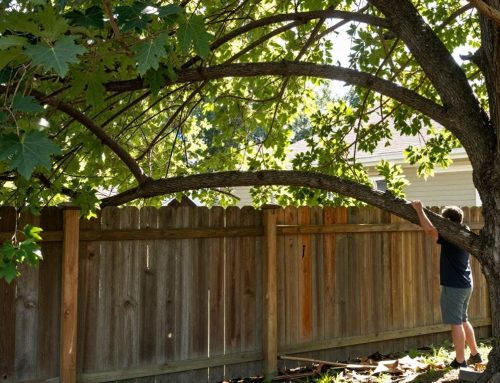
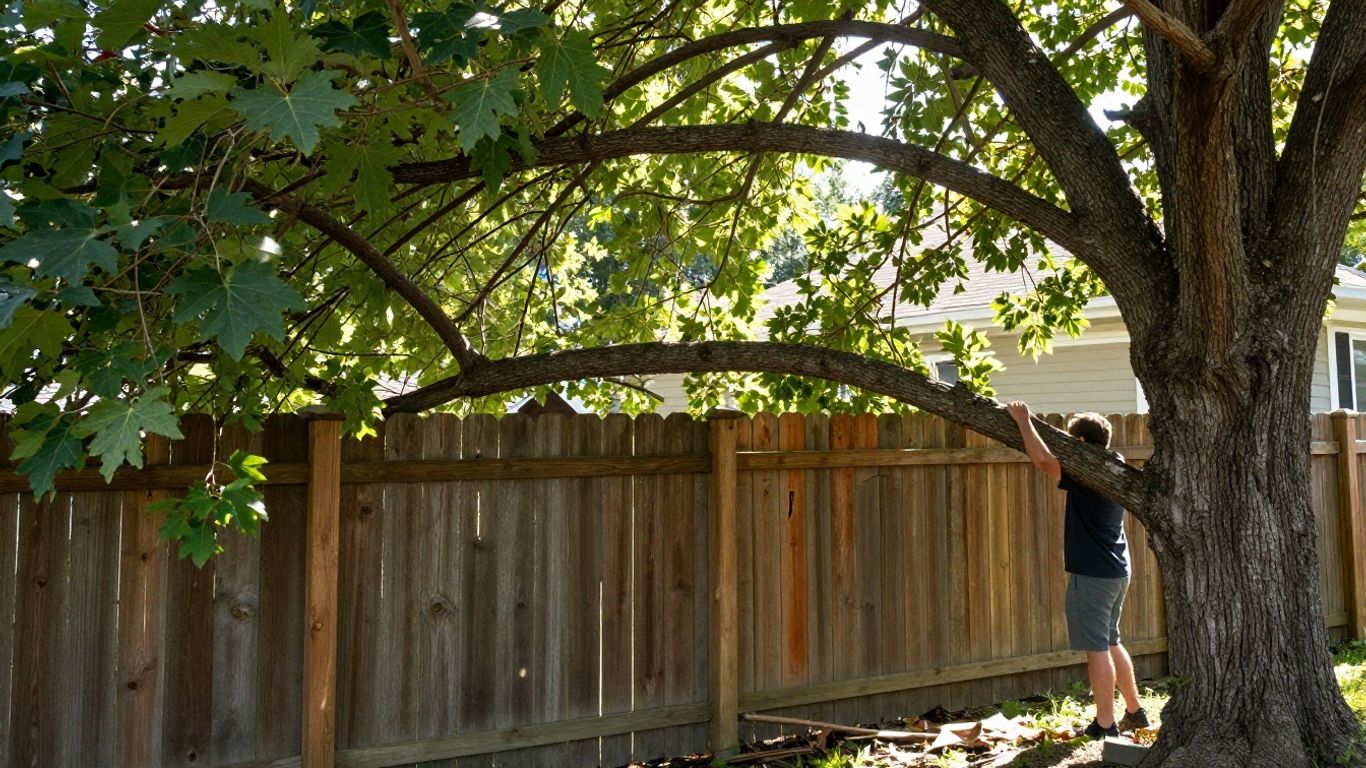
Pruning is another big one. You’ll want to trim off any dead, damaged, or crossing branches. This keeps the tree healthy and looking good. It also helps with air circulation, which is important for preventing diseases. For small gardens, keeping the tree’s size in check is key, so regular, light pruning is better than waiting years and then having to do a massive cut.
Weeds can be a nuisance around the base of your trees. Keeping that area clear of grass and weeds helps the tree get all the water and nutrients it needs. A layer of mulch, like wood chips, is great for this. It keeps moisture in, suppresses weeds, and breaks down over time to feed the soil. Just make sure not to pile the mulch right up against the trunk – leave a little space.
Choosing plants that are suited for the city’s climate is also a smart move. Native species are often a good bet because they’re already adapted to the local weather and soil conditions. This means less fuss for you and a healthier tree overall. You can find some great options for native plants that do well here.
Regular Tree Pruning for Small Backyards
Keeping trees in check is super important, especially when you’ve only got a little space to work with. Regular tree pruning in Ottawa isn’t just about making things look tidy, though that’s a nice bonus. It’s really about the health of the tree and making sure it doesn’t become a hazard or take over your whole yard. Think of it as giving your trees a haircut to keep them looking good and feeling their best. When you’re pruning, focus on a few key things. First, get rid of any dead or damaged branches. These are weak spots and can invite pests or diseases. Then, look for branches that are crossing or rubbing against each other. One of them usually needs to go to prevent further damage. Thinning out the canopy also helps with air circulation, which is a big deal for preventing fungal issues. It also lets more sunlight reach the lower parts of the tree and your garden beds below. Here’s a quick rundown of what to look for:
- Deadwood: Branches that are brittle, discolored, or have no leaves.
- Diseased Branches: Look for unusual spots, wilting, or cankers.
- Crossing Branches: Branches that rub against each other.
- Water Sprouts: Fast-growing, vertical shoots that can sap energy.
- Suckers: Shoots growing from the base or roots of the tree.
For fruit trees, pruning is also key for a good harvest. You want to encourage the right kind of growth that will produce fruit. It’s a bit of an art, but getting the basic pruning right makes a huge difference. If you’re unsure about how to start, looking up guides on backyard fruit trees can be really helpful. “Don’t be afraid to make the cuts. Small, regular pruning is much better than waiting until a tree is overgrown and requires drastic measures. This approach minimizes stress on the tree and makes the job much more manageable for you.” Remember, the goal is to maintain the tree’s natural shape while promoting health and safety. It might seem like a lot at first, but once you get the hang of it, it becomes a routine part of caring for your small garden space.
Managing Tree Roots in Compact Landscapes
Dealing with tree roots in a small backyard can feel like a real puzzle. You want the beauty and shade a tree provides, but you don’t want its roots causing trouble for your pathways or foundations. The key is smart planning and a bit of proactive care. When you’re working with limited space, tree roots can become a concern pretty quickly. They can push up pavers, crack walkways, or even interfere with underground utilities. It’s not just about aesthetics; it’s about protecting your property. Here are a few things to keep in mind:
- Root Barriers: These are physical or fabric barriers installed vertically in the soil to redirect root growth away from sensitive areas. They’re a good option when planting new trees or when you notice roots starting to cause issues.
- Mulching: Applying a layer of mulch, like shredded hardwood, around the base of your tree can help manage surface roots. It not only looks tidier but also conserves moisture and improves soil health. Applying mulch is a simple yet effective technique.
- Plant Selection: Choosing tree varieties known for less aggressive root systems can make a big difference. Dwarf varieties or trees that naturally grow more vertically can be better suited for smaller lots.
- Root Pruning: In some cases, carefully pruning specific roots might be necessary, but this should be done with caution and ideally by a professional to avoid harming the tree’s overall health.
Don’t let root worries stop you from enjoying your trees. With a little attention to how they grow and some thoughtful management, you can keep both your garden and your tree happy and healthy. Considering professional advice from a certified arborist can also provide tailored solutions for your specific situation, especially when dealing with established trees.
Tree Health Inspections by Arborists
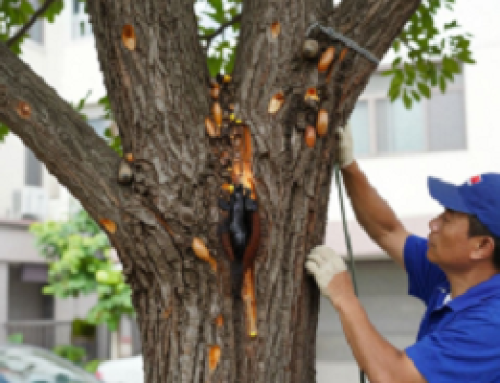
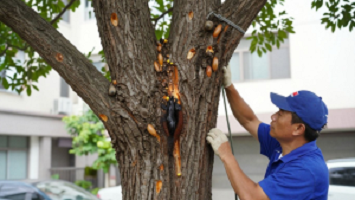
Even in small backyards, trees are a big deal. They give shade, add beauty, and can even help with privacy. But just like any living thing, trees can get sick or injured. That’s where an expert arborist comes in. Regular check-ups from a certified arborist are super important for keeping your trees healthy and safe. Think of an arborist like a doctor for your trees. They know all the signs of trouble, from tiny pests to serious diseases. They can spot problems early, often before you even notice them. This is key because catching issues when they’re small makes them much easier and cheaper to fix. For instance, some diseases, like certain types of rot, can be hard to see from the outside. An arborist has the training to look for subtle clues. They can also tell you if your tree is structurally sound, especially if it’s in a tight spot where falling branches could be a problem. Here’s what a good inspection usually covers:
- Overall tree condition: How is the tree growing? Are there any dead branches?
- Pest and disease signs: Looking for any bugs, spots, or unusual growth.
- Structural integrity: Is the trunk strong? Are the main branches well-attached?
- Root zone assessment: Checking the soil around the base for any issues.
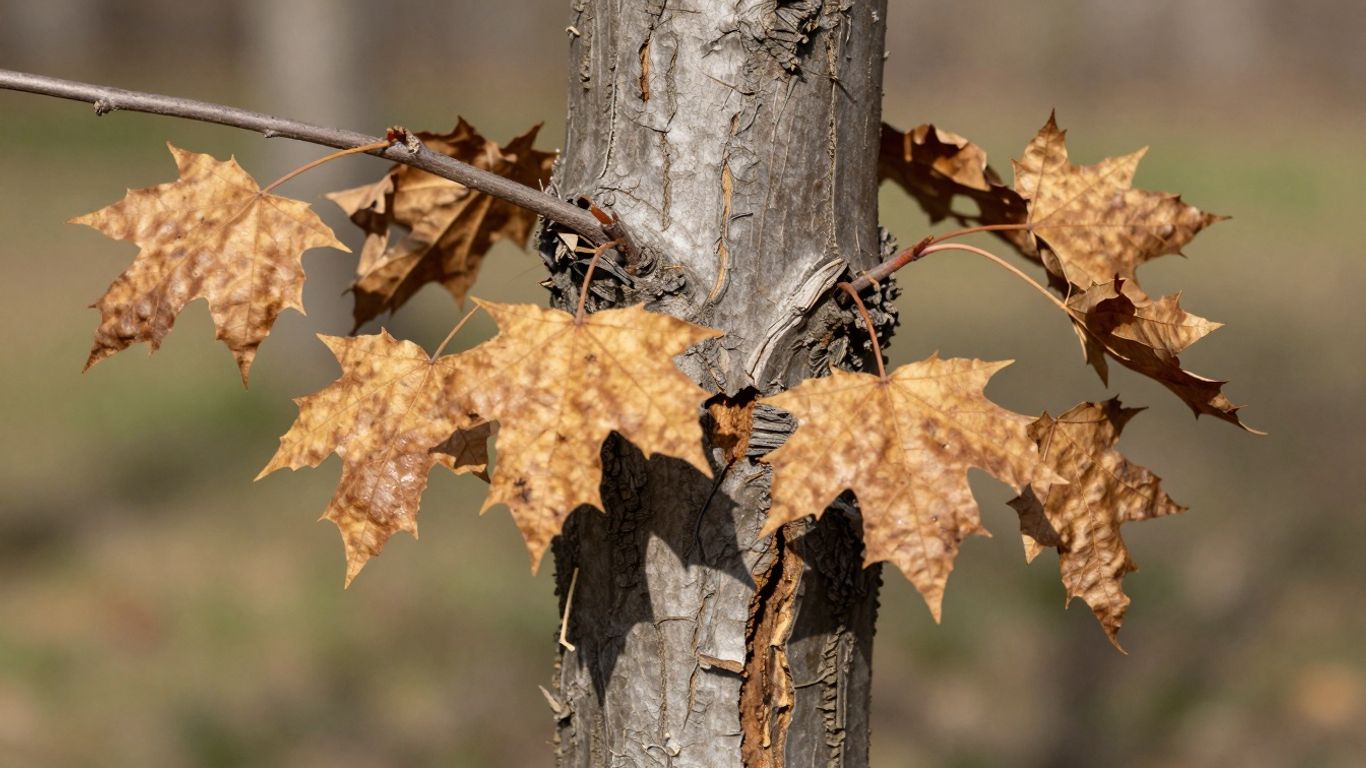
Sometimes, an arborist might recommend specific treatments or suggest pruning. For example, if they find signs of cedar leaf blight, they can advise on how to manage it. It’s always better to get professional advice than to guess what might be wrong. They can also help you understand the best way to care for your specific tree species, like understanding potential issues with cedar trees in our climate. Don’t wait until a tree looks obviously sick or damaged. Proactive inspections are the best way to prevent major problems down the road and keep your small garden looking its best.
Professional Tree Services for Ottawa Gardens
When you’re working with smaller spaces in your Ottawa gardens, trees can sometimes feel like a big commitment. But that’s where professional tree service providers like Wright Tree Service come in handy. They’re not just for huge estates; these folks can really help you make the most of the trees you have, or even help you pick the right ones. Think about it: a good arborist can assess the health of your existing trees, making sure they’re not a hazard, especially when winter winds pick up. They can also offer advice on pruning techniques that encourage healthy growth without overwhelming your compact yard. Getting professional help means your trees will look better and be safer. Here’s what they can do for you:
- Tree Health Assessments: Catching problems early before they become major issues.
- Pruning and Shaping: Keeping trees to a manageable size and form for small backyards.
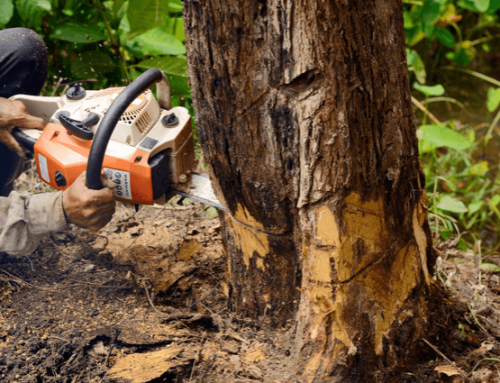
- Tree Removal : Safely taking down trees that are too large, diseased, or causing problems.
- Planting Advice: Recommending suitable tree species for your specific garden conditions.
Sometimes, you might need more than just a trim. If a tree is too close to your house or causing issues with foundations, a professional service can handle the removal. They have the equipment and know-how to do it without damaging your property. It’s always better to call in the pros for anything beyond basic maintenance. For reliable tree care in Ottawa, consider looking into local providers who understand the specific needs of gardens and the local climate. They can help keep your green spaces looking their best year-round.
Your Small Backyard Can Be Amazing
So, even if your backyard is on the smaller side, there are tons of ways to make it a great outdoor spot. Think about using native plants that don’t need a lot of fuss, adding some cool structures like pergolas for shade, or even setting up a little water feature for calm vibes. It’s all about picking things that work with the city’s weather and your lifestyle. With a bit of planning, you can totally create a backyard that feels bigger, looks good, and is a place you’ll actually want to spend time in, no matter the season.
Frequently Asked Questions
What are some easy ways to make my small garden look good without a lot of work?
You can use plants that don’t need much care, like ones that don’t need a lot of water and come back every year. Also, putting down mulch helps keep weeds away and saves you from watering so much. Grouping plants that like the same amount of sun and water also makes things easier.
How can I add trees to a small backyard in Ottawa?
Even small yards can have trees! Look for smaller tree types that don’t grow too big. You can also plant them in spots where they won’t block too much sun, or use them to create shady areas for seating. Just make sure to choose trees that do well in the city’s weather.
What kind of plants are best for attracting bees and butterflies to my Ottawa garden?
Native flowers are great for this! Plants like milkweed, coneflowers, and bee balm are like a buffet for bees and butterflies. They add beautiful colors and make your garden feel alive with buzzing and fluttering.
How can I make my small backyard useful even when it gets cooler in Ontario?
You can add features like a fire pit or outdoor heaters to stay warm. Structures like pergolas can offer shelter, and smart lighting can make your space inviting after dark. This lets you enjoy your yard for more of the year.
Is it hard to take care of a garden with trees in a small backyard?
It can be managed! You’ll want to keep an eye on the tree roots so they don’t cause problems. Regular trimming helps keep the tree healthy and in shape for your small space. Sometimes, it’s a good idea to have an expert check on your trees to make sure they’re doing well.