
Thinking about getting a tree removed from your yard in Ottawa? It’s a common question, and honestly, the cost can really vary. It’s not as simple as just calling someone up and getting a flat price. Lots of things play a role in how much you’ll end up paying. We’ll break down what you can expect.
Key Takeaways
- The average tree removal cost in Ottawa typically falls between $500 and $2,500, but this is just a general range.
- Smaller trees (under 30 feet) usually cost less, around $500 to $700, while medium trees (30-60 feet) can range from $700 to $1,500.
- Large trees (over 60 feet) or hazardous ones can cost upwards of $1,500 to $2,500 or even more.
- Factors like the tree’s size, its condition (dead or diseased), how easy it is to access, and its proximity to buildings or power lines all affect the final price.
- For an accurate quote, always get an assessment from a certified arborist and consider getting multiple estimates.
What’s the Average Cost to Remove a Tree?
Tree removal isn’t a one-size-fits-all kind of deal. Several things play a role in how much you’ll end up paying. Think of it like getting a quote for any home repair – the details matter.
Small Trees (Under 20 Feet)
For smaller trees, usually those under 20 feet tall, you’re generally looking at a lower price point. These are often easier to manage, requiring less equipment and less time. The cost here can typically range from about $500 to $700. It’s a good idea to get a few quotes, though, as even small trees can sometimes present unique challenges.
Medium Trees (20–50 Feet)
As the trees get bigger, so does the price tag. For medium-sized trees, typically between 20 and 50 feet, the cost can jump to the $700 to $1,500 range. This is because they require more careful planning, more robust equipment, and a bit more manpower to bring down safely.
Large & Hazardous Trees (50 Feet and Up)
Now, when you’re dealing with large trees, especially those over 50 feet, or trees that are dead, diseased, or leaning precariously, the costs can really climb. We’re talking $1,500 and easily going up to $2,500 or even more. These jobs are more complex and carry higher risks, so professionals charge accordingly.
Here’s a quick look at what you might expect:
- Small Trees (Under 20 ft): $500 – $700
- Medium Trees (20-50 ft): $700 – $1,500
- Large Trees (50+ ft): $1,500 – $2,500+
These numbers are a good starting point for your budget, but remember, a certified arborist will give you the most accurate estimate after seeing the tree in person.
6 Factors That Affect the Final Price
Several things influence the final price — and understanding them helps you budget accurately and avoid surprises.
Tree Size and Height
This is probably the biggest one. A towering old oak is going to cost more to take down than a young maple. Bigger trees mean more time, more effort, and often, more specialized equipment to do the job safely. It’s just physics, really. A small tree, maybe under 20 feet, is usually a quicker job.
Proximity to Structures, Fences, or Power Lines
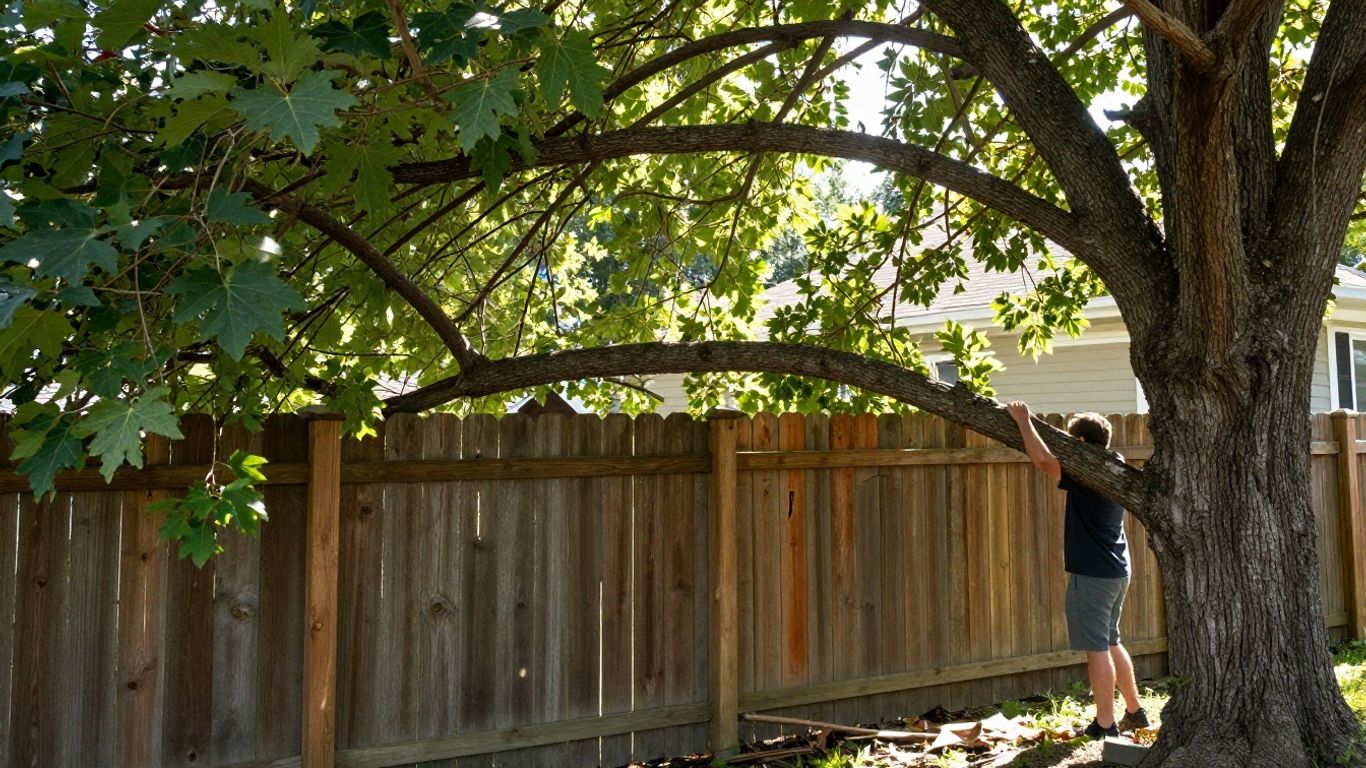
Is the tree right next to your house, your neighbour’s fence, or worse, a power line? This is where things get tricky and more expensive. Arborists have to be super careful, using special techniques to avoid damaging anything. A tree out in an open field is a lot simpler to deal with than one crammed into a tight spot. Safety first, always, and that extra caution adds to the bill.
Tree Condition (Dead, Diseased, or Leaning)
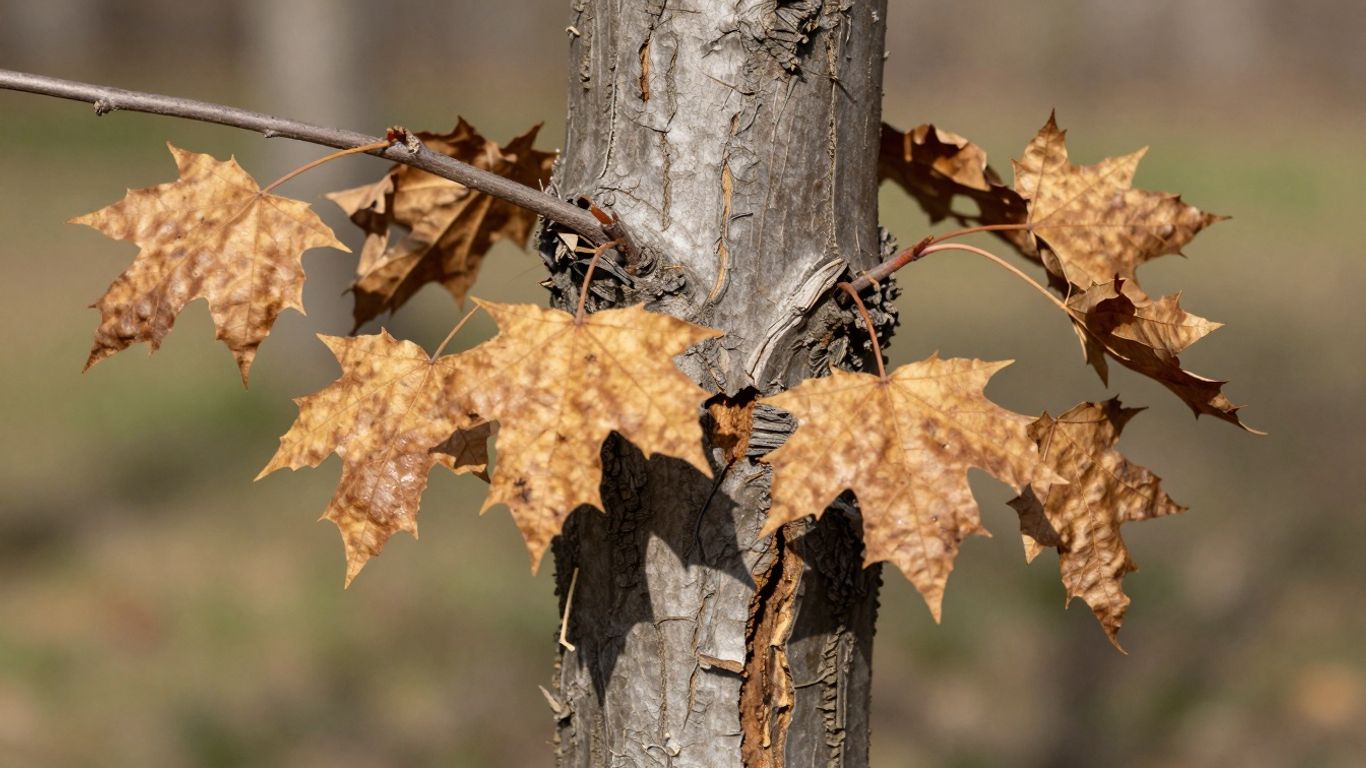
A healthy, sturdy tree is one thing, but a dead, diseased, or leaning tree is another story entirely. These can be unpredictable and dangerous. When a tree is compromised, crews might need extra safety gear or different methods to bring it down without it falling unexpectedly. Emergency tree removals due to storms often fall into this category too, and they can come with a higher price tag.
Accessibility for Equipment
Can the tree removal crew easily get their trucks and equipment right up to the tree? If the tree is in a backyard with narrow gates or lots of landscaping, it makes the job harder. Moving heavy gear through tight spaces takes more time and can sometimes mean using smaller, less efficient tools, which also bumps up the cost. Good access makes for a smoother, often cheaper, removal.
Type of Tree
Some trees are just plain tougher than others. Hardwoods like oak are dense and heavy, making them harder to cut through compared to softer woods like pine. The type of wood can influence how long it takes to cut and how the pieces will break down, affecting the overall labour involved.
Additional Services
What happens after the tree is down? If you want the stump ground out, or all the branches and wood hauled away, that’s usually an extra charge. Some people also opt for mulching services. These aren’t always included in the basic removal quote, so it’s good to ask what’s covered and what’s not. These details are worth discussing upfront so there are no surprises in the final bill.
What’s Usually Included in a Tree Removal Quote?
When you get a quote for tree removal, you want to know exactly what you’re paying for. Most professional tree removal services will include the complete process of taking down the tree and cleaning up the site. This typically covers the labour involved, the use of specialized equipment like cranes or bucket trucks if needed, and the disposal of the tree and its branches. It’s always a good idea to clarify what’s included, as some companies might charge extra for certain services.
Here’s a general breakdown of what you can expect in a standard quote:
- Tree Takedown: This is the core service, involving safely cutting down the tree, often section by section, especially for larger trees.
- Branch and Debris Removal: All the branches, limbs, and wood resulting from the tree removal will be hauled away.
- Site Cleanup: The crew will typically rake up leaves and small debris, leaving the area tidy.
- Basic Equipment Use: The quote usually accounts for the standard tools and machinery needed for the job.
Sometimes, you might see separate line items or options for additional services. These could include:
- Stump Grinding/Removal: If you want the remaining stump gone, this is usually an extra charge. The cost can vary depending on the size of the stump and how deep it needs to be ground.
- Wood Chipping: Some services might offer to chip the wood for mulch, which could be an additional fee or sometimes included.
- Permit Fees: If a permit is required for the tree removal (often for larger trees), the cost of obtaining it might be passed on to you.
Don’t hesitate to ask questions if anything is unclear. A reputable tree care company will be happy to explain their quote and what their service entails.
Do You Need a Permit Before Removing a Tree?
Okay, so you’re thinking about taking down a tree on your property in Ottawa. Before you grab the chainsaw, there’s something important to consider: permits. It’s not always a simple ‘yes’ or ‘no,’ and it really depends on the tree itself and where it’s located.
Generally speaking, if the tree you want to remove is larger than 50 centimetres in diameter (that’s about the width of a dinner plate, give or take), you’ll likely need a permit from the City of Ottawa. This is to help manage the city’s tree canopy and protect mature trees that are important for our environment.
Here’s a quick rundown of what usually triggers the need for a permit:
- Tree Size: As mentioned, diameter is a big factor. Bigger trees often require official permission.
- Tree Species: Some specific tree species might have special protections, regardless of size.
- Location: Trees on certain types of property or within specific zones might have different rules.
- Reason for Removal: If the tree is dead, diseased, or poses an immediate hazard, the process might be different, but you still might need to notify the city.
Getting a permit can add a bit of time and sometimes a small fee to the whole tree removal process. It’s definitely worth checking Ottawa’s tree protection by-law and licensing department or their urban forestry services before you make any arrangements with a tree removal company. They can tell you exactly what’s needed for your specific situation. Skipping this step could lead to fines, so it’s best to be on the safe side and get the proper paperwork sorted out.
Is Tree Removal Covered by Home Insurance?
It’s a question many homeowners grapple with when a tree on their property becomes a problem: will my home insurance policy cover the cost of removal? The short answer is: it depends, and often, it’s not as straightforward as you might hope.
Generally, standard home insurance policies are designed to cover damage caused by specific events, like severe storms or high winds. If a tree falls and damages your house, or if a storm causes a tree to become a hazard that needs immediate removal to prevent damage, your insurance might step in. However, routine removal of a tree that’s simply old, diseased, or inconveniently located is usually not covered. Think of it this way: insurance is typically for unexpected disasters, not for regular property maintenance.
Here’s a breakdown of when insurance might help and when it likely won’t:
Covered Scenarios:
- A tree falls onto your home or other insured structures (like a garage).
- A storm causes a tree to become a significant hazard, requiring urgent removal to prevent damage to your home.
- Damage to your property caused by a falling tree limb.
Typically Not Covered:
- Removing a tree simply because it’s dead, diseased, or leaning.
- Preventative removal of a tree that poses a future risk but hasn’t caused damage.
- Stump grinding or removal after the tree has already been cut down (unless it’s part of the damage claim).
- Routine tree maintenance or pruning in Ottawa.
The key factor is usually whether the removal is a direct result of a covered peril. If a storm rips a tree down onto your roof, that’s likely a claim. If your tree is just looking a bit sad and you want it gone before it might cause trouble, that’s usually on you.
It’s always a good idea to review your specific home insurance policy details or speak directly with your insurance provider. They can clarify what your coverage includes and any deductibles you might have to pay. Remember, even if insurance covers part of the cost, you’ll likely still be responsible for a portion, especially if the tree removal is considered maintenance or preventative.
How to Get an Accurate Quote (Without Getting Overcharged)
Getting a solid quote for tree removal is all about doing your homework. You wouldn’t buy a car without test-driving a few, right? Same idea here. The best way to avoid surprises on your bill is to get a few different estimates from reputable companies.
Don’t just go with the first person who gives you a price. It’s smart to have at least three different tree removal or arborist services come out to your property. This way, you can compare not only the prices but also what’s included in each quote. Sometimes a cheaper quote might mean they’re cutting corners, which you definitely don’t want when dealing with something as potentially dangerous as tree removal.
Here’s a quick rundown of what to look for when you’re getting those quotes:
- Detailed Breakdown: A good quote will break down the costs. It should tell you what they’re charging for labour, equipment, disposal, and any other fees. If it’s just a lump sum, ask for more details.
- Scope of Work: Make sure the quote clearly states what services are included. Does it cover just cutting the tree down, or does it include hauling away the branches and the trunk? What about stump grinding? If these are extra, it should say so.
- Insurance and Certification: Ask if the company is insured and if their arborists are certified. This is super important for your protection and peace of mind.
- Timeline: While not always a firm quote item, a professional company can usually give you an idea of how long the job will take.
When you talk to the professionals, be ready to answer their questions too. They’ll want to know about the tree’s size, its condition (is it dead, leaning, diseased?), and how easy it is to get their equipment to it. The more information you can give them upfront, the more accurate their estimate will be. Wright Tree Service offers free on-site estimates — no phone guesses, no vague numbers. Read what our customers say about us.
Get a Free, No-Obligation Estimate from Wright Tree Service
Wright Tree Service has been helping homeowners safely remove trees since 2010. Our ISA Certified Arborists will visit your property, assess every factor — size, condition, access, proximity to structures — and hand you a detailed, no-pressure estimate. Upfront pricing. No hidden costs. Ever.
Once we’ve assessed your property, we’ll give you a clear estimate with no surprises. Ready to find out exactly what your tree removal will cost? Get your quote today.
Conclusion
So, when it comes to getting a tree taken down in Ottawa, remember it’s not a one-size-fits-all price. You’ve got everything from the tree’s size and where it’s sitting to its general health playing a part in the final bill. It might seem like a lot, but forking out for a certified arborist is really the way to go. They know their stuff, have the right gear, and most importantly, they’ll get the job done safely, saving you a headache and maybe even a trip to the emergency room. Always get a few quotes to compare, and don’t be afraid to ask questions. It’s about finding that balance between a fair price and a job done right.
Frequently Asked Questions
How much does it usually cost to get a tree removed in Ottawa?
The cost for removing a tree can change a lot. For smaller trees, you might pay between $500 and $700. Medium-sized trees usually cost from $700 to $1,500. If you have a big or tricky tree to remove, it could cost $1,500 or even more.
What makes the tree removal cost go up or down?
Several things affect the cost. The size of the tree is a big one – bigger trees mean more work. Where the tree is located also matters; if it’s near your house, power lines, or a fence, it’s more complicated and costly. The tree’s health is important too; a dead or leaning tree needs extra care. Finally, if the tree is hard to get to with equipment, that can also increase the price.
What’s normally included when I get a quote for tree removal?
A good quote usually covers taking down the tree safely, cutting it into smaller pieces, and cleaning up the mess. Sometimes, things like stump grinding (removing the leftover stump) or hauling away all the branches might cost extra, so it’s good to ask what’s included.
Do I need a permit to cut down a tree in Ottawa?
It depends! If the tree is quite large (more than 50 cm across), you’ll likely need a permit from the City of Ottawa. This permit process can add to the total cost, so it’s best to check with the city or your tree removal company.
Will my home insurance pay for tree removal?
Usually, home insurance doesn’t cover regular tree removal. It might cover it if a tree falls on your house or causes significant damage due to a storm, but it’s not for routine removals. You’d need to check your specific policy for details.
How can I get a fair price for tree removal?
The best way is to get quotes from a few different professional and certified tree removal services. Ask them to come and look at the tree so they can give you an accurate price based on its size, condition, and location. Make sure they explain everything that’s included in their quote.