
Trees can really take a beating when things get dry. You know, that period where it feels like it hasn’t rained in ages? That’s drought stress in trees, and it’s not just a quick fix. Even after the rain starts falling again, trees can still be dealing with the aftermath for a while. It messes with their roots, makes them weak, and honestly, it’s a bit of a waiting game to see how they bounce back. We’ll look at what to watch for and how to help them out.
Understanding the Lingering Effects of Drought Stress
Drought stress isn’t always a quick problem that disappears when the rain finally returns. Sometimes, the real damage shows up much later, often months after the dry spell has ended. Think of it like a person getting sick; they might feel a bit off for a while even after they start feeling better. Trees are similar, and the effects can linger.
Root System Degradation and Water Uptake
When a tree doesn’t get enough water, its most delicate parts – the fine root hairs – start to die off first. These are the parts that do most of the work absorbing water from the soil. If the drought goes on for a while, even bigger roots can be affected. This means that even when it starts raining again, the tree can’t take up water as efficiently as it used to. It needs time to regrow those roots, and that can take weeks or even months. A tree with a damaged root system is basically thirsty all the time, even if the soil is moist.
Vulnerability to Pests and Diseases
A tree that’s weakened by drought is like a person with a low immune system. It becomes an easier target for pests and diseases that it might have normally fought off. Insects like borers or certain types of fungi can take advantage of a stressed tree’s weakened defenses. This can lead to further damage, sometimes even more serious than the drought itself. It’s a double whammy that can really set a tree back.
Long-Term Impact on Tree Health
Even if a tree survives a drought, it might not be the same. The stress can affect its growth for years. You might notice smaller leaves, thinner branches, or a generally less vigorous appearance. Some trees might even produce more seeds or fruit as a survival mechanism, putting extra strain on their already weakened state. The overall resilience of the tree is compromised, making it more susceptible to future environmental challenges. Drought stress is a slow burn. The visible signs might be delayed, and the underlying damage to the root system and overall health can persist long after the dry weather has passed. This makes ongoing observation and care really important for trees that have been through a tough dry period.
Recognizing the Signs of Drought Stress in Trees
So, you’ve been through a dry spell, and now you’re wondering about your trees. It’s not always obvious when a tree is struggling. Sometimes, they look okay on the surface, but underneath, things aren’t so great. Paying attention to a few key indicators can help you spot trouble early.
Leaf Discoloration and Scorching
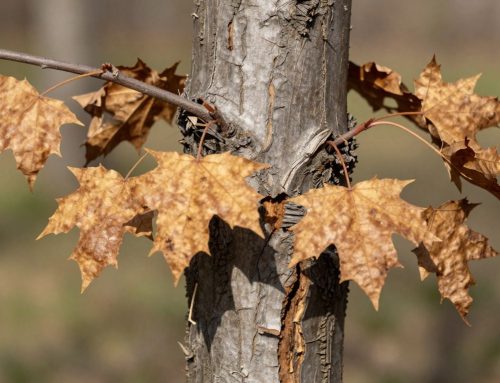
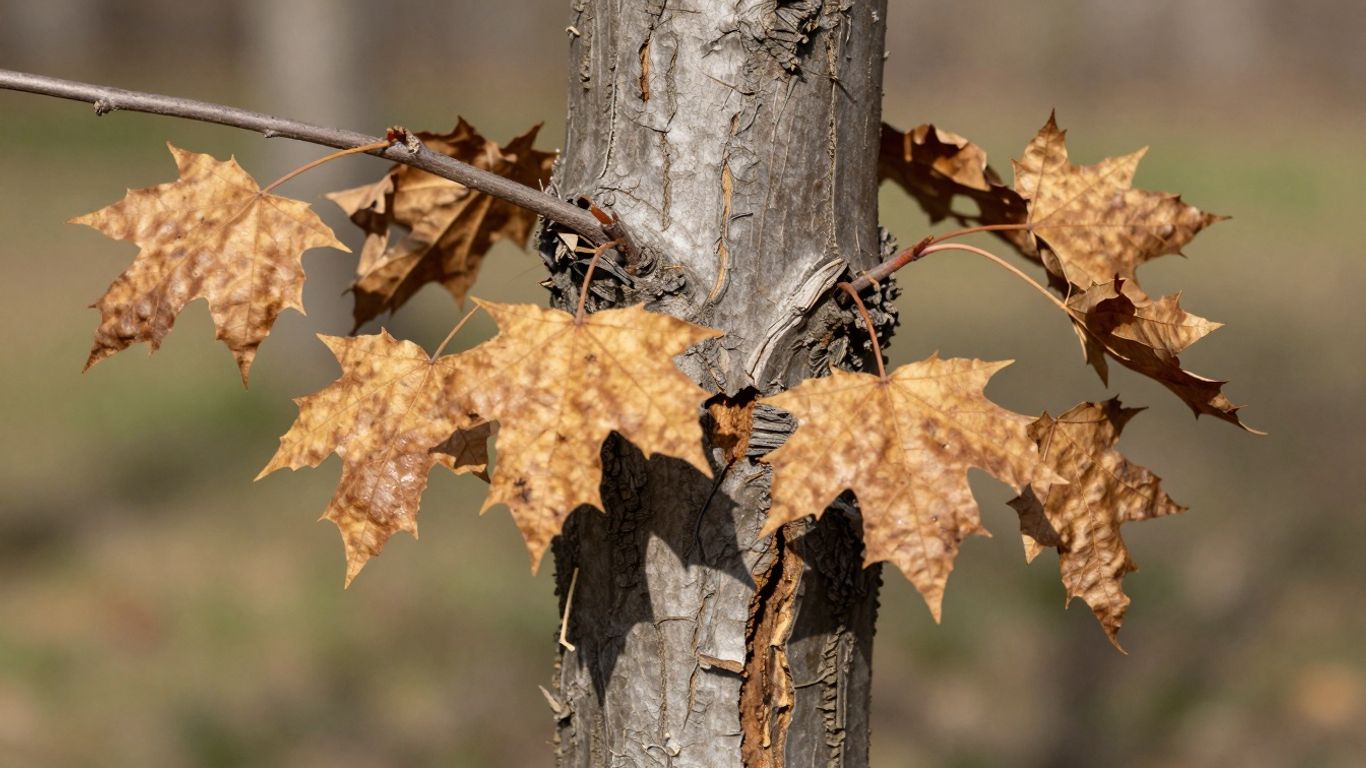
One of the first things you might notice is a change in the leaves. Instead of their usual vibrant green, they might start looking a bit pale, maybe a light green or even yellowish. Then, you’ll often see browning along the edges or tips of the leaves. This is commonly called leaf scorch. It’s like the leaves are getting sunburned, but it’s really a sign that the tree can’t get enough water to keep all its parts healthy. Some trees might even drop their leaves way before fall, or show fall colors way too early in the summer. It’s a bit of a shock to see your tree looking like it’s autumn in July, and this is often when homeowners start searching for a reliable tree removal services in Ottawa to assess the damage and recommend proper care.
Changes in Foliage and Growth
Beyond just color, the leaves themselves might change. They could be smaller than usual, or the overall density of the tree’s canopy might start to thin out. You might see branches, especially towards the top, looking bare. This thinning can happen gradually, making it easy to miss if you’re not looking closely. It’s also possible to see stunted shoots, meaning new growth just isn’t happening like it should. This lack of vigor is a pretty clear sign that the tree is under stress and conserving its resources.
Structural Weakness and Bark Issues
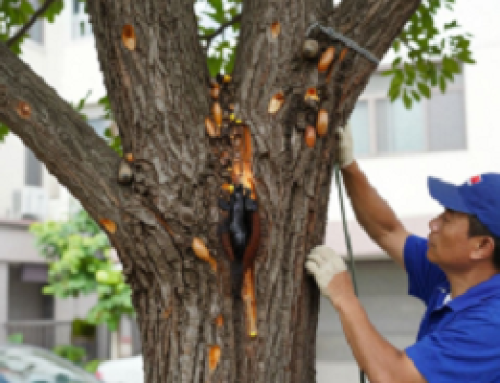
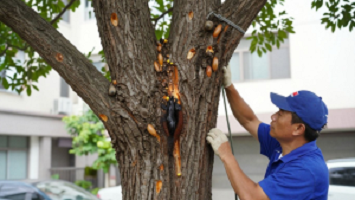
Sometimes, the problems go deeper than just the leaves. When a tree is really thirsty, its wood can become less flexible and weaker. You might notice vertical cracks appearing on the bark of the trunk or larger branches. This is a serious sign that the tree’s structure is compromised. In some cases, the tree might even start to lean or shift in the ground, which is definitely a red flag. You might also see mushrooms or other fungal growth around the base of the tree or on the trunk, which can indicate internal decay or stress. It’s important to keep an eye on these more serious physical changes, as they can indicate a tree is in real trouble and might even pose a safety risk. If you see multiple signs like these, it’s a good idea to get a professional opinion. You can find certified arborists through organizations that help maintain tree health. Trees can look fine even when they’re suffering internally from drought. The damage might not show up for months, especially in species like maples and oaks that have deeper root systems. This delayed reaction means regular checks are important, not just during dry spells, but afterward too.
Assessing a Tree’s Potential for Recovery
So, your tree looks a bit rough after a dry spell. It’s easy to panic, but before you call in the heavy equipment, let’s take a closer look. Figuring out if a tree can bounce back is a bit like being a detective. You need to check for clues, both above and below ground. Patience is key here; many trees can surprise you with their resilience.
Examining Turgor Pressure and New Growth
One of the first things to check is how firm the tree’s tissues are. This is what scientists call turgor pressure . Think of it like a balloon filled with water – it’s firm and holds its shape. If you gently bend a twig or leaf and it springs back quickly, that’s a good sign. If it stays bent or feels limp, the tree is still pretty dehydrated. Another big clue is new growth. Look for tiny buds that are starting to swell, or small, fresh leaves unfurling. Even a few new shoots can mean the tree is directing its energy towards recovery. It’s not a guarantee, but it’s definitely a positive indicator.
Evaluating Root Health
This is where things get a little trickier, as most of the action is underground. If you’re really concerned and don’t see much happening above ground, you might need to do a little gentle digging around the base of the tree. Healthy roots are usually firm, moist, and a light color, sometimes even white. If you find roots that are brown, brittle, or feel mushy and rotten, that’s a bad sign. It means the roots have likely suffered significant damage and might not be able to support the tree.
Patience During the Recovery Process
Honestly, this is the hardest part for most people. Trees don’t recover overnight. Sometimes, it takes an entire growing season, or even longer, to see the full picture. What looks bad now might look much better next spring after some rain and cooler temperatures. It’s a waiting game, and you have to trust that the tree is working on its recovery, especially during the fall and winter when it’s not actively growing leaves. It’s important to remember that trees are built to handle stress, within limits. Dropping leaves, even all of them, doesn’t automatically mean a tree is dead. Give it time. The real test often comes when the weather warms up and you see if it’s ready to leaf out again.
Supporting Tree Recovery After Drought
After a tough dry spell, your trees might look a little rough, but there are definitely things you can do to help them bounce back. It’s not just about giving them a drink; it’s about creating the right conditions for them to heal and regrow. Patience and consistent care are key here.
Proper Watering Techniques for Stressed Trees
Watering a stressed tree isn’t quite the same as your regular garden routine. You want to give them a good, deep soak, but not drown them. Think of it like giving them a long, slow drink rather than a quick splash.
- How Much: Aim for about 1 to 1.5 inches of water per week. For larger, established trees, this might mean a good long run from your hose.
- How Often: It’s better to water deeply less often than to give them a little bit every day. This encourages roots to grow deeper, which is what you want.
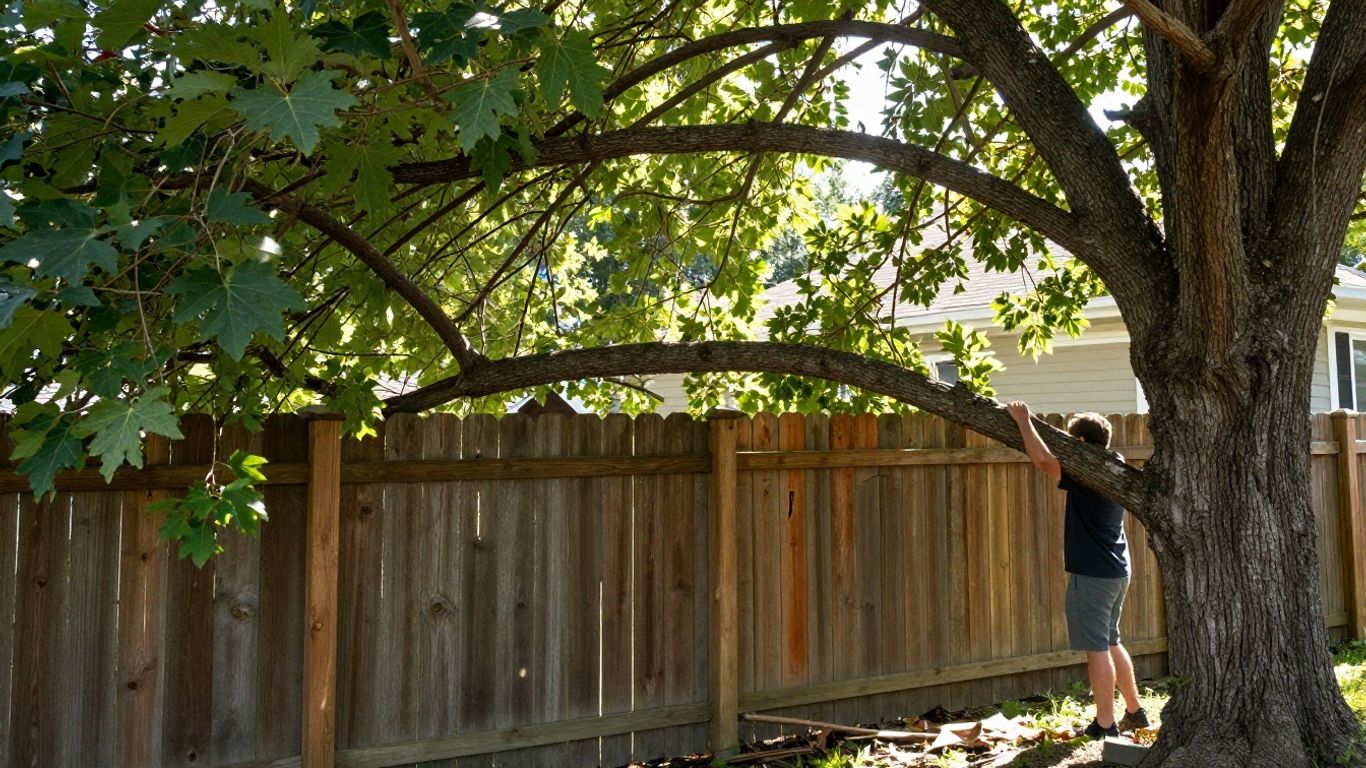
- Where to Water: Focus the water around the tree’s drip line – that’s the area under the outer edge of the branches – and extend outwards. Avoid piling water right up against the trunk.
- When to Water: Early morning is usually best. This gives the water time to soak in before the heat of the day causes too much evaporation.
The Role of Mulch in Moisture Retention
 Mulch is like a cozy blanket for your tree’s soil. It helps keep moisture in, which is a big deal when things are dry. Plus, it keeps the soil temperature more even and stops weeds from stealing precious water.
- Apply a layer of organic mulch, about 2 to 4 inches thick.
- Spread it out from the base of the tree all the way to the drip line.
- Crucially, keep the mulch a few inches away from the tree trunk itself. You don’t want to trap moisture right against the bark, as this can lead to rot or other problems.
Improving Soil Conditions for Better Hydration
Sometimes, the soil itself needs a little help to hold onto water. Compacted or depleted soil just doesn’t absorb and retain moisture as well. Adding organic matter, like compost, can really make a difference. It acts like a sponge, soaking up water and releasing it slowly to the tree’s roots. This also helps improve the soil structure over time, making it easier for roots to grow and access what they need. Think about amending the soil around your tree, especially if it’s been compacted by foot traffic or construction. This might involve gently working in some compost or other organic materials. It’s a bit of work, but it sets your tree up for better long-term health and resilience.
When Professional Intervention is Necessary
Sometimes, a tree’s struggle with drought goes beyond what a bit of extra water and mulch can fix. It’s like when you try to fix something yourself and end up making it worse – you know, like that time I tried to assemble that bookshelf? Yeah, not my finest moment. When you start seeing some serious warning signs, it’s probably time to call in the pros, specifically a certified arborist. They’ve got the eyes to spot problems you might miss and the know-how to actually help.
Identifying Red Flag Symptoms
While you can spot general wilting or browning leaves, there are more serious indicators that a tree is in deep trouble. These aren’t just signs of a bad week; they suggest a more significant, potentially life-threatening issue for the tree.
- Crown Decline: If you notice dead branches starting at the top and systematically moving down through the canopy, that’s a bad sign. It means the stress is progressing and affecting larger parts of the tree.
- Structural Weakness: Look out for bark splitting, especially on the main trunk or larger limbs. Also, if the tree starts to lean noticeably, its anchoring roots might be compromised.
- Multiple Stressors: When you see a bunch of problems happening at once – like leaf scorch, thinning branches, bark issues, and signs of insect infestation – the tree is likely overwhelmed and needs expert help.
Understanding Structural Integrity Concerns
This is where things get serious, especially if the tree is near your house, a driveway, or a busy sidewalk. Drought doesn’t just make leaves crispy; it can mess with the tree’s core strength. When a tree loses too much water, its woody tissues can become brittle. More importantly, the root system, which is vital for both water absorption and keeping the tree upright, can suffer significant damage. The fine roots, the ones that do most of the work, are often the first to go. If these structural roots weaken, the tree can become unstable, posing a real safety hazard.
The Importance of Certified Arborist Assessments
Calling in a certified arborist is like taking your car to a mechanic when the check engine light comes on. They have the tools and training to figure out what’s really going on. They can assess things like:
- Root Health: They can often tell if the root system is severely damaged, which is hard for a homeowner to gauge.
- Trunk and Branch Stability: They can identify hidden weaknesses or decay that might not be visible from the ground.
- Overall Tree Health Score: Based on their findings, they can give you a realistic picture of the tree’s chances of survival and what it would take to help it recover.
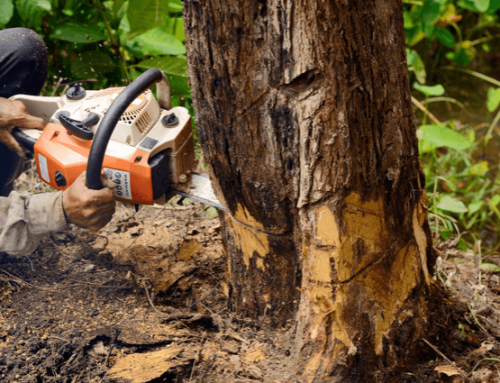
They can also tell you if a tree is beyond saving and poses a safety risk. Sometimes, removal is the safest and most practical option, and an arborist can help you make that tough call. They might recommend specific watering schedules, pruning techniques, or soil amendments tailored to your tree’s needs. It’s definitely worth the investment if you have valuable or mature trees that are showing severe signs of drought stress.
Factors Influencing Recovery Time
So, how long does it actually take for a tree to bounce back after a rough patch of dry weather? Well, it’s not a one-size-fits-all answer, unfortunately. A lot of things play into how quickly, or even if, a tree can get back to its old self. Think of it like people recovering from an illness; some bounce back fast, others take a while, and some might have lingering issues. The same goes for our woody friends.
Species-Specific Drought Tolerance
Some trees are just built tougher than others when it comes to dry spells. Native trees, for instance, are often well-adapted to the local climate, including its typical rainfall patterns. Trees like river birch or weeping willows, on the other hand, really need consistent moisture and can struggle big time during extended dry periods. If you’ve got a species known for needing a lot of water, you’re probably looking at a longer recovery road, if recovery is even possible.
Severity and Duration of Drought Conditions
This one’s pretty straightforward. A short, mild dry spell is going to have a much less significant impact than a long, scorching drought. If the soil dried out completely for months on end, the roots could have suffered serious damage. Minor stress might mean a few weeks of careful watering, but severe, prolonged drought can set a tree back for years, or even lead to its demise. It’s the difference between a bad cold and a serious illness.
Age and Health of the Tree
Just like us, younger trees and older, weaker trees tend to be more vulnerable. Young trees, especially those newly planted (within their first two to three years), haven’t had the chance to develop a deep, extensive root system yet. They dry out much faster. On the flip side, very old trees might have less stored energy to draw upon for recovery. A tree that was already struggling with pests or disease before the drought hit will also have a much harder time pulling through. A healthy, mature tree with a robust root system has a much better shot at weathering the storm and recovering more quickly. Here’s a quick look at how these factors can stack up:
| Factor | High Impact on Recovery Time | Low Impact on Recovery Time |
| Species Tolerance | Low tolerance (e.g., Willow) | High tolerance (e.g., Oak) |
| Drought Severity | Severe, prolonged | Mild, short-term |
| Tree Age | Young or very old | Mature |
| Pre-existing Health | Poor | Excellent |
So, What’s the Takeaway?
Look, trees are tough, but they’re not invincible. Recovering from a serious dry spell isn’t an overnight thing. It can take months, even years, for those fine roots to bounce back and for the tree to really get back to its old self. Sometimes, sadly, the damage is just too much, and the tree won’t make it. The best thing we can do is keep an eye on our leafy friends, especially after a rough dry period. Giving them a good drink when they need it and a nice layer of mulch can make a world of difference. And if you’re ever unsure, don’t hesitate to call in a pro. They’ve got the know-how to tell if your tree is just having a bad day or if it’s in real trouble. If your trees need expert care after a dry season, trust Wright Tree Service — call us today at +1 613-898-0698 for a professional assessment and peace of mind.
Frequently Asked Questions
How can I tell if my tree is suffering from drought?
Look for signs like leaves turning yellow or brown, especially around the edges, or leaves that look crispy and dry. Some trees might drop their leaves early, even in summer, or show stunted growth. You might also notice branches dying off, particularly at the top of the tree, or the bark cracking.
Can a tree recover from drought stress, and how long does it take?
Yes, many trees can recover, but it takes time. The recovery period can range from several weeks to even a couple of years. It depends on how bad the drought was, the type of tree, and how well you help it recover. Sometimes, the damage to the roots is the main problem, and it takes a long time for them to grow back.
What’s the most important thing I can do to help a drought-stressed tree?
The most crucial step is proper watering. Water deeply and slowly, making sure the water reaches the tree’s roots. Aim to give it about one inch of water per week, applied over the area under the tree’s branches (the drip line), not right at the trunk. Avoid overwatering, as this can also harm the tree.
Besides watering, what else can help my tree recover?
Adding a layer of mulch, about 2-3 inches thick, around the base of the tree (but not touching the trunk) is very helpful. Mulch keeps the soil moist, regulates its temperature, and prevents weeds. Improving the soil with organic matter can also help it hold more water.
When should I worry that my tree might not recover?
If more than half of the tree’s leaves and branches are dead, or if you see large cracks in the trunk or major root damage, it might be too late. Also, if the tree starts leaning significantly or shows signs of breaking apart, it could be a safety hazard and might need to be removed. In these cases, it’s best to call an expert.
Are some trees more likely to survive drought than others?
Yes, different tree species have different abilities to handle dry weather. Some trees are naturally more resistant to drought because they have deeper roots or leaves that lose less water. However, even drought-tolerant trees can suffer if the dry spell is too long or too severe.