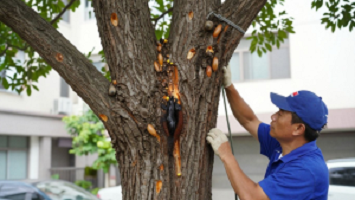
The emerald ash borer has become a real problem for ash trees all over Ottawa. If you have ash trees on your property, you’ve probably heard about it. Dealing with this bug means understanding what it does, what your choices are for treatment, and when you really need to make a move. Our certified Ottawa arborists are here to help you protect what you’ve got. It can be a confusing situation, but we’re here to break down the important stuff about emerald ash borer tree treatment in Ottawa.
Understanding the Emerald Ash Borer Threat in Ottawa
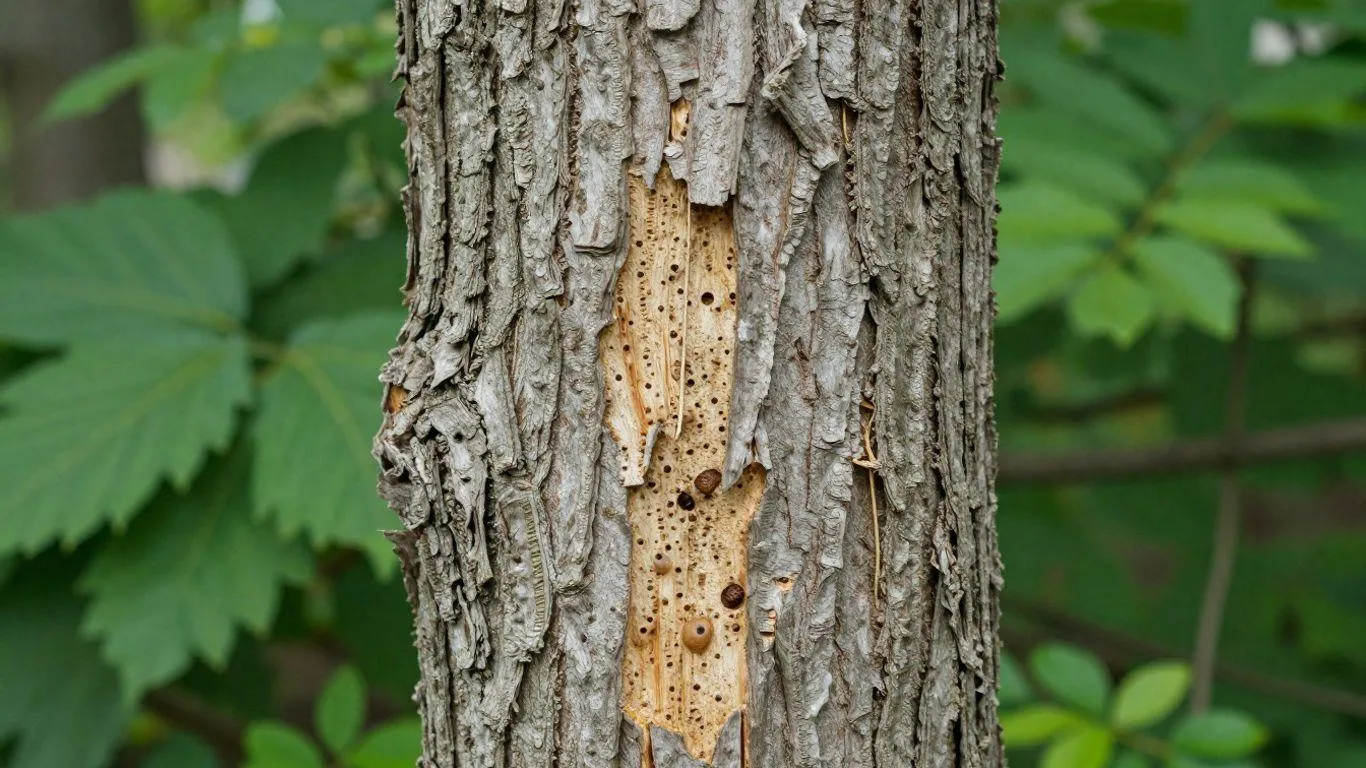
What Is the Emerald Ash Borer and Why Ottawa Homeowners Should Be Concerned
Ottawa has a lot of ash trees, and for over a decade now, the EAB has been making its way through them. It’s not just a few trees here and there; it’s a widespread issue. As we’ve covered in our guide to tree diseases and infestations found in Ottawa, EAB is one of the most destructive threats in the region. . The city has been working on managing the problem in public spaces, but it’s also something homeowners need to pay attention to. If you have ash trees on your property, you’re probably wondering what you should do. It’s easy to ignore, especially at first, but the longer you wait, the worse it gets.
Here’s a quick look at how the infestation typically progresses:
- Year 1 (Early Infestation): You likely won’t see much. The larvae are just starting to tunnel under the bark. The risk is low, but it’s building.
- Year 2 (Active Feeding): The tunnels get bigger, and the tree starts to show signs like thinning leaves or small dead branches. The risk is moderate.
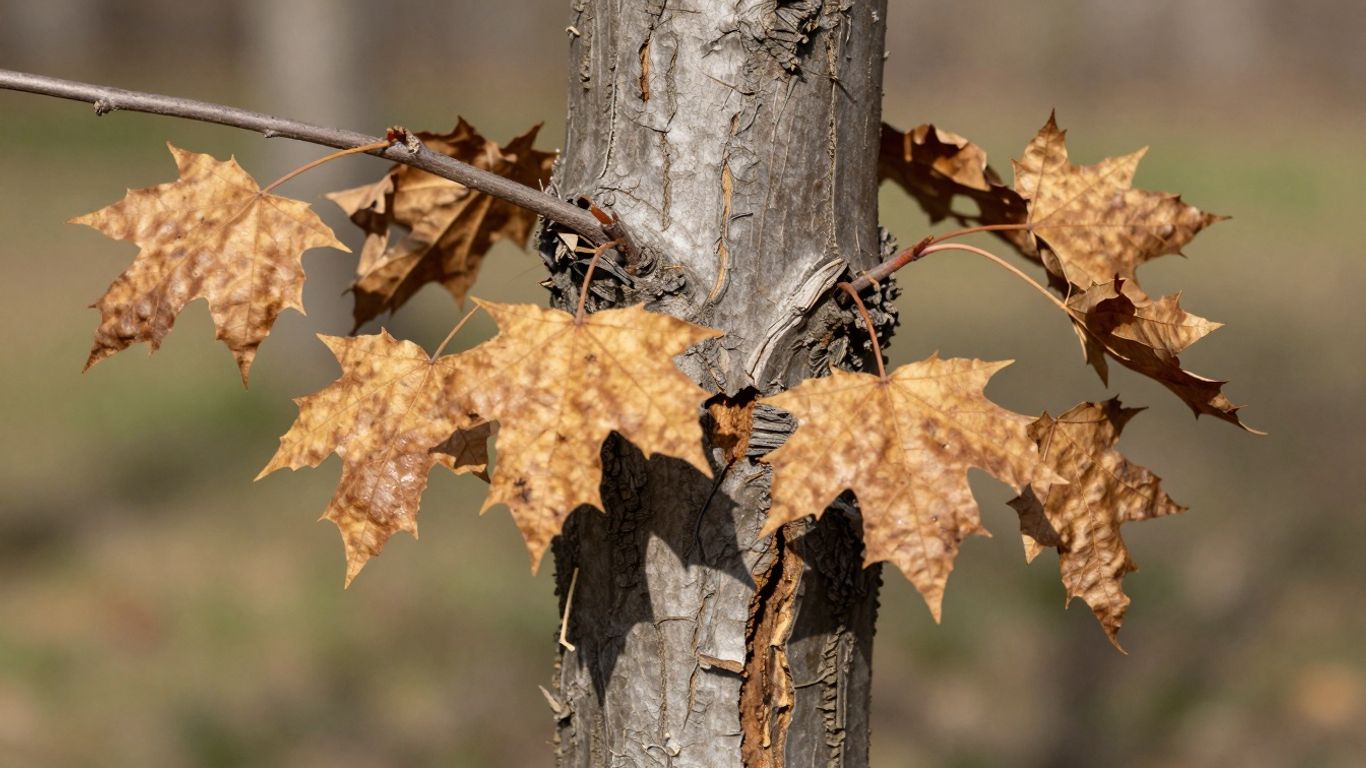
- Year 3 (Advanced Damage): This is when things get serious. You might see D-shaped holes in the bark, bark splitting, or weird shoots growing from the trunk. The tree is really struggling, and the risk is high.
- Year 4+ (Structural Decline): The tree is severely weakened, with large dead limbs and a very unstable trunk. At this point, removal is often the only safe option.
Ignoring the signs of EAB can lead to dangerous situations. Trees that are heavily infested can lose branches or even fall, posing a risk to people and property. It’s better to be proactive than to deal with the aftermath of a damaged tree.
It’s important to remember that not all ash trees are doomed. If a tree is still in decent shape, meaning less than 30% of its canopy is dead and its trunk is solid, there’s a good chance treatment can save it. We’ll get into the specifics of treatment options and costs later on, but for now, just know that early detection is key for saving your ash trees.
Emerald Ash Borer Tree Treatment Options
When it comes to dealing with the Emerald Ash Borer (EAB), you’ve got a couple of main paths you can take: either try to stop it before it becomes a big problem, or deal with it if your tree is already showing signs of trouble. It’s not always a simple choice, and what works best really depends on your specific situation.
Preventative Treatments for Healthy Ash Trees
If your ash trees are still looking good, the best strategy is to get ahead of the EAB. This is all about preventing ash tree decline before the beetles even get a chance to do their damage. Think of it like getting a flu shot – you’re trying to avoid getting sick in the first place. Professionals can apply treatments that get absorbed into the tree, making it unappealing or even deadly to the borers if they try to feed. These treatments are usually systemic, meaning they travel through the tree’s system. The goal here is to keep your healthy trees safe and sound for years to come. It’s a proactive approach that can save you a lot of heartache and money down the line.
Curative Treatments for Infested Ash Trees
Now, if you’ve already spotted signs of EAB on your tree, maybe some thinning in the canopy or small D-shaped holes in the bark you might be looking at curative treatments. This is where things get a bit more serious. The effectiveness of these treatments really depends on how far along the infestation is. Some insecticides, like emamectin benzoate, have shown promise as a “rescue treatment” even when there’s some visible damage, like up to a 30% reduction in the leaf canopy. However, if your tree is already showing significant dieback, say 50% or more, it might be too late for treatment to work. At that point, the tree’s internal systems might be too damaged to even get the treatment where it needs to go. A professional assessment is key here to figure out if your tree has a fighting chance.
Types of Insecticides Used for EAB Treatment
When arborists treat EAB, they’re usually using systemic insecticides. These are different from the sprays you might use for other pests. They get absorbed by the tree and work from the inside out. Some common methods include:
- Trunk Injections: This is often considered the most effective method for high-value trees. Insecticides are injected directly into the tree’s vascular system, allowing them to spread quickly throughout the tree. Products like azadirachtin, derived from Neem tree seeds, are sometimes used because they are more environmentally friendly and disrupt insect growth and egg-laying.
- Soil Drenches: Insecticide is applied to the soil around the base of the tree, and the tree’s roots absorb it. This method can be less effective than injections and may need to be repeated annually.
- Foliar or Trunk Sprays: These are applied directly to the leaves or bark. They are generally less effective for EAB and often need to be done yearly, usually only working well at the very start of an infestation or on smaller trees.
It’s important to know that not all products are created equal, and some can pose risks to pollinators or other beneficial organisms. Professionals will choose the most appropriate and environmentally sound option for your specific needs. The best time to treat ash trees for EAB is often in the spring, before the adult beetles become active and lay their eggs.
Deciding between treating an ash tree and removing it isn’t always straightforward. For trees that are healthy and in a good location, treatment can be a great investment. But if a tree is already heavily damaged or poses a safety risk, removal might be the more sensible and safer choice. It’s about balancing the tree’s health, your property’s safety, and your long-term landscape goals. A professional arborist can help you figure out the best path forward for your specific ash tree situation, making sure you’re making an informed decision about ash tree treatment for emerald ash borer.
Cost of Emerald Ash Borer Tree Treatment in Ottawa
When it comes to dealing with the Emerald Ash Borer (EAB) in Ottawa, figuring out the cost is a big part of the puzzle. It’s not just about the price tag today, but also what makes financial sense over the long haul. You’ve got a couple of main paths: treating your ash trees or removing them. Each has its own set of expenses, and understanding them helps you make a better choice for your property.
Comparing Treatment vs. Removal Costs
Deciding whether to treat or remove an ash tree involves looking at the numbers. Treating a healthy ash tree, especially in the early stages of infestation, can be a good investment. The cost of EAB treatment varies quite a bit, depending on the size of the tree, the type of insecticide used, and how it’s applied. For a smaller tree, you might be looking at a few hundred dollars for a single treatment, while larger, more established trees will naturally cost more. Some treatments can last for a couple of years, which can make the yearly cost seem lower than you might expect.
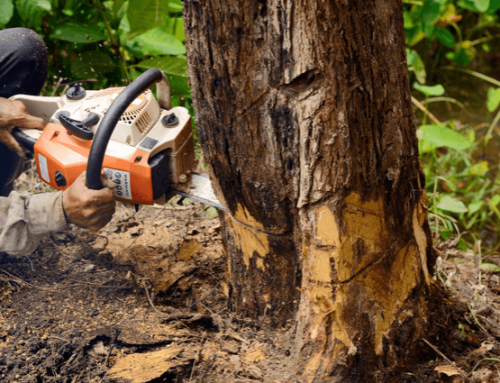
On the flip side, tree removal in Ottawa is a significant one-time expense. . This cost includes not only cutting down the tree but also hauling away the debris and, in many cases, grinding the stump. If the tree is large, located near a structure, or difficult to access, the cost can quickly climb into the thousands of dollars. When comparing treatment costs with removal costs, it’s important to consider the long-term value and environmental benefits of preserving a healthy ash tree whenever possible.
Here’s a general idea of what you might expect:
- Preventative/Early Treatment: For a medium-sized ash tree, expect costs ranging from $200 to $600 per treatment, with some treatments offering protection for up to two years. This is a key part of ash tree protection Ottawa efforts.
- Tree Removal: Costs can start around $1,000 for a small tree and go up to $5,000 or more for a large, complex removal.
- Stump grinding: If you opt for removal, add another $200 to $500 to your total. .
It’s often more cost-effective in the long run to treat a healthy ash tree than to pay for its removal. If you’re trying to understand what tree removal costs in Ottawa, that guide can help you compare your options before making a decision. . This is especially true when you factor in the environmental and aesthetic benefits an established tree provides.
When you’re looking at the cost of emerald ash borer treatment, getting quotes from a few different certified arborists is a smart move. Make sure you understand what’s included in the price – the type of insecticide, the application method, and how long the protection lasts. This helps you compare apples to apples and find the best value for your Ottawa tree care for EAB needs.
When to Act: Timing is Crucial for EAB Treatment
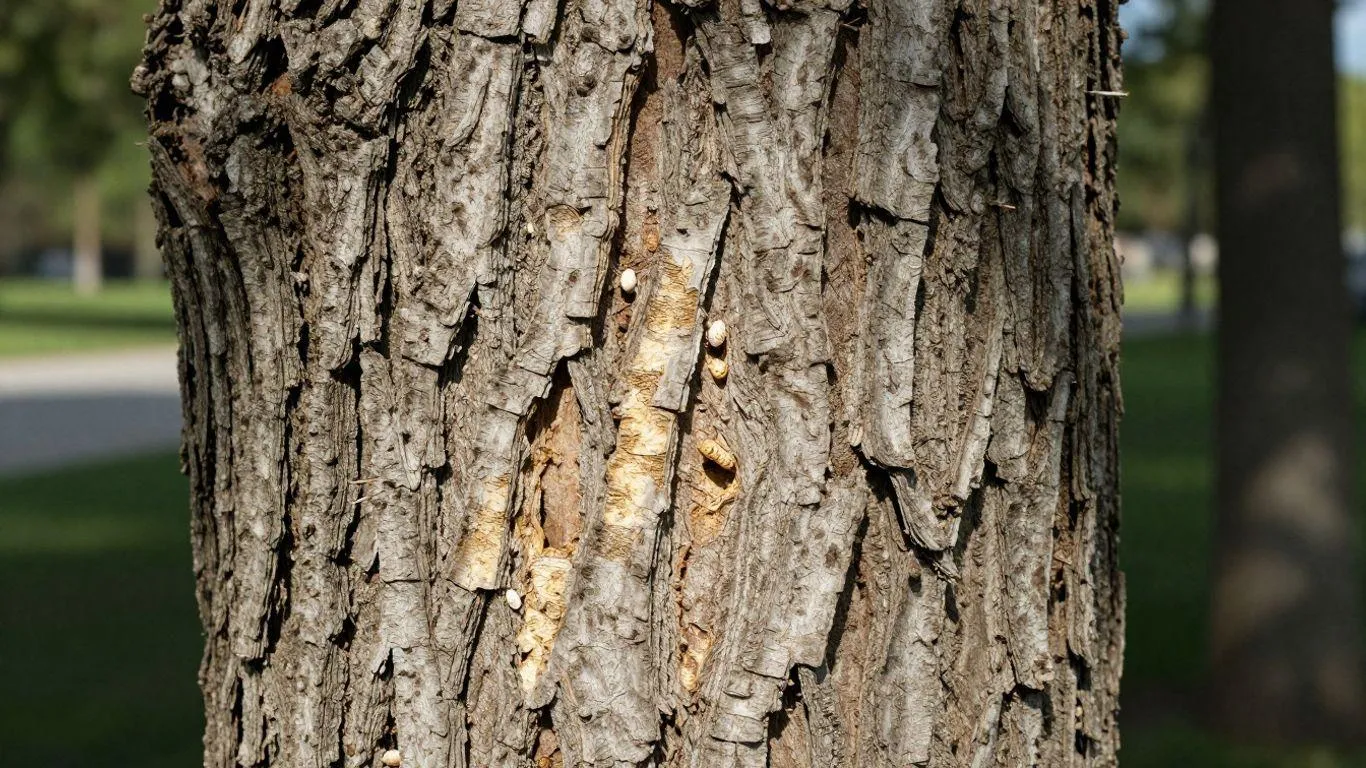
Dealing with the Emerald Ash Borer (EAB) means acting fast, or at least, acting smart. You can’t just wait around and hope for the best; these little pests are relentless. The key is understanding their life cycle and how that plays into when you should treat your ash trees. Catching an infestation early is your best bet for saving a tree.
Think of it like this: EAB has a yearly cycle. They overwinter as larvae, then get busy in the spring and summer. This is when they’re feeding and doing the most damage under the bark. Treatments, especially those injected into the trunk, are most effective when they can get into the tree’s system and be there to take out the EAB when they’re actively feeding. Generally, the window for treatment is from early May through the end of August. Applying treatments outside this period might not hit the EAB at their most vulnerable stages.
Here’s a general idea of what happens and why timing matters:
- Year 1 (Early Infestation): You might not see much. Larvae are tunneling, but the tree can usually handle it. This is the absolute prime time for preventative treatment.
- Year 2 (Active Feeding): You’ll start seeing some thinning in the canopy and maybe a few dead branches. Treatment can still work well, but the tree is under more stress.
- Year 3 (Advanced Damage): This is where things get serious. You’ll see more dieback, and maybe even those tell-tale D-shaped exit holes. If a tree has lost more than 50% of its canopy, treatment is often a lost cause.
- Year 4+ (Structural Decline): The tree is likely too far gone. It’s becoming a hazard, and removal is usually the only sensible option.
The decision to treat or remove an ash tree isn’t always black and white. It depends on the tree’s current health, its location on your property, and your long-term goals. A healthy tree with minimal damage has a much better chance of survival with preventative treatments than one that’s already showing significant signs of distress.
So, when should you actually do something? If you have ash trees, it’s wise to get them assessed by a professional arborist sooner rather than later. They can tell you if your trees are candidates for treatment or if they’re already too far gone. Don’t wait until you see major dieback; by then, you’re often just delaying the inevitable removal. Proactive assessment and timely treatment are your best defense against the Emerald Ash Borer.
Choosing the Right Professional for EAB Treatment in Ottawa
So, you’ve decided to treat your ash trees against the Emerald Ash Borer. That’s a big step, and a good one if you want to keep those trees standing. But who do you even call? It’s not like picking up a can of bug spray from the hardware store. You need someone who really knows their stuff when it comes to trees and these specific pests.
Finding a qualified professional is key to successful EAB treatment. Look for individuals or companies that have certified arborists on staff. You can meet Wright Tree Service’s certified arborists to see exactly who will be assessing and treating your trees. These professionals have gone through rigorous training and testing to prove their knowledge about tree health, diseases, and proper treatment methods. It’s not just about spraying something; it’s about understanding the tree, the pest’s life cycle, and applying the right product at the right time.
Here’s a quick rundown of what to look for:
- Credentials: Are they certified arborists? Check for certifications from recognized organizations. This shows they’ve met a certain standard.
- Experience: How long have they been dealing with EAB specifically in the Ottawa area? Local experience means they understand our climate and common pest pressures.
- Services Offered: Do they just treat, or do they also offer assessments, follow-up care, and advice on tree health? A good arborist will look at the whole picture.
- Insurance: Make sure they are properly insured. Accidents can happen, and you don’t want to be liable.
- References/Reviews: What do other people in Ottawa say about their work? Online reviews or asking neighbors can be helpful.
When you talk to potential professionals, don’t be afraid to ask questions. Ask about the specific products they use, how they apply them, and what kind of results you can expect. They should be able to explain the treatment process clearly. Some companies might offer a free initial consultation, which is a great way to get a feel for their approach and get an assessment of your trees. You can often find certified arborists in Ottawa who specialize in this kind of work.
The decision to treat or remove an ash tree is significant. A professional arborist can help you weigh the long-term costs and benefits, considering factors like the tree’s health, its location on your property, and your personal goals for your landscape. They can provide a clear picture of what treatment entails and whether it’s the best path forward for your specific situation.
Remember, EAB treatment is often an ongoing process. You’ll want a partner who can provide regular check-ins and advice. Our team at Wright Tree Service can help you develop a long-term plan for your ash trees, ensuring they get the care they need year after year.
When it comes to dealing with the Emerald Ash Borer in Ottawa, picking the right expert is super important. You want someone who knows their stuff about these pesky bugs and how to protect your trees. Don’t let these pests damage your beautiful trees any longer.
What’s Next for Your Ash Trees?
Dealing with the emerald ash borer in Ottawa can feel like a big task, but remember, you have options. Acting quickly is key, whether that means ash tree treatment for emerald ash borer at the early stage, or planning for safe removal before the tree becomes a hazard. The longer you wait, the fewer choices you’ll have, and the more expensive things can get.
Wright Tree Service has been protecting Ottawa trees since 2010 . Our certified arborists will assess your ash trees honestly and give you a clear plan, no pressure, no guesswork. Request your free quote online or call us directly at 613-898-0698. We’ll take it from there.
Frequently Asked Questions
What exactly is Emerald Ash Borer treatment?
Emerald Ash Borer (EAB) treatment is like giving special care to ash trees that are either in danger from or already dealing with the Emerald Ash Borer bug. Often, this means using special bug-killing sprays and keeping a close eye on the trees. We also help the trees by making sure they get enough water and proper tree pruning. The main goal is to protect the ash trees that still have a good chance of surviving before the damage gets too bad.
Can my ash tree be saved if it has Emerald Ash Borers?
It really depends on how much the bugs have already hurt the tree and how healthy it is overall. If the tree’s leaves are only a little bit thin and its trunk is strong, treatment might work. But if the tree is already very sick or has weak spots, it might be better to take it down and plant a new one. The best way to find out for sure is to have an expert take a look.
How often do ash trees need treatment for Emerald Ash Borers?
The schedule for treating ash trees depends on the type of treatment used, how many bugs are around, and how the tree is doing. Many treatment plans involve regular visits over a few years, along with check-ups to see if the tree is getting better. Our tree experts will tell you what plan is best for your trees and go over it with you before starting any work.
Is it better to treat an ash tree or just remove it?
There’s no single right answer for every situation. Treating might be a good idea for healthy ash trees that are in important spots, like providing shade. However, removing the tree is often the better choice if it’s already very sick, has major structural problems, or isn’t likely to live much longer. We can help you decide by looking at safety, the cost over time, and what you want your yard to look like.
Can I treat Emerald Ash Borers myself with stuff from the store?
You can find products at stores for this, but getting rid of EAB effectively usually means knowing exactly what’s wrong, treating at the right time, and using the right methods, especially for big trees. Using the wrong products might not work and could even be harmful to people, pets, or the environment. It’s usually best to let experienced tree doctors handle it, as they know the rules and the best ways to do the job safely.
What happens if I don’t treat or remove an ash tree with Emerald Ash Borers?
If you have EAB and do nothing, most ash trees will get sicker and eventually die. As they get weaker, they are more likely to break apart or fall over, especially when there’s bad weather. This can be dangerous for buildings, cars, and people nearby. We can help you figure out if treating, removing, or a mix of both is the safest plan for your property.