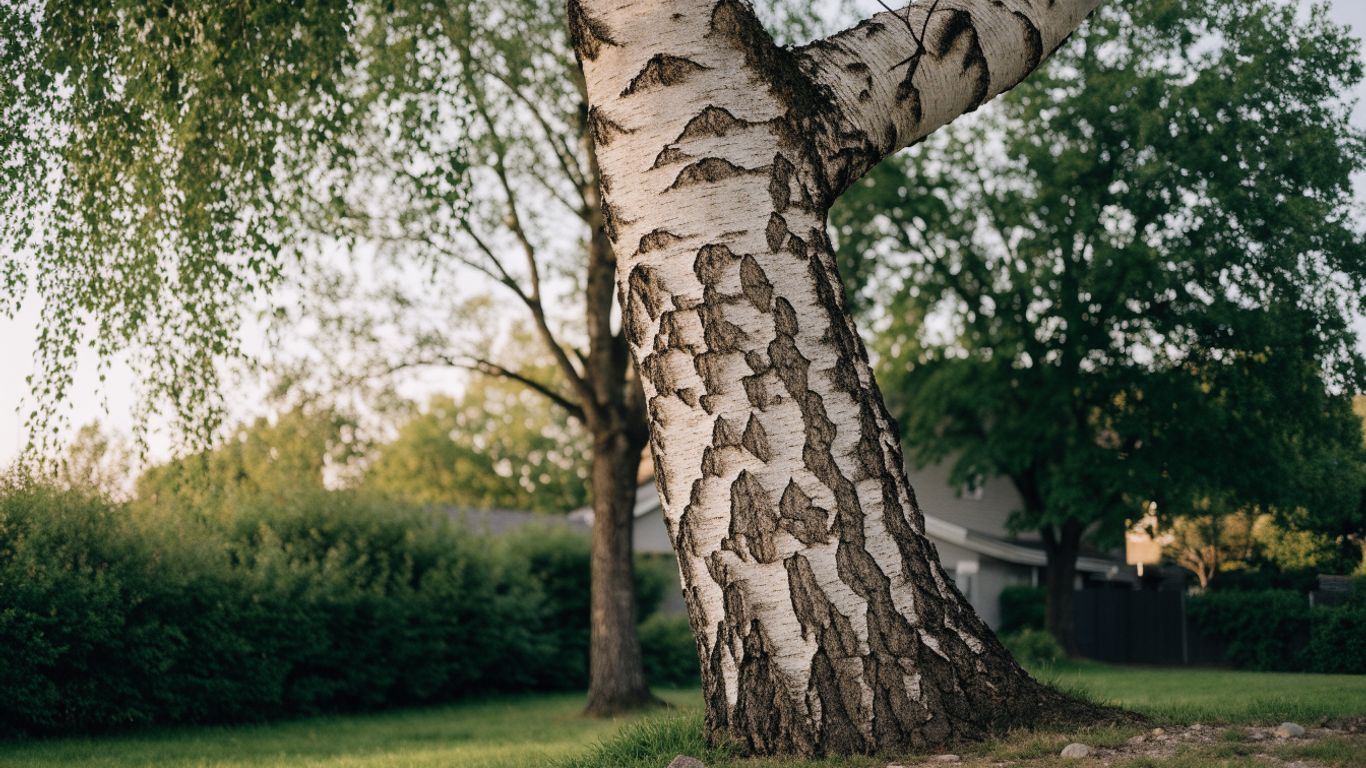
A birch tree dying from the top is one of the most common tree problems Ottawa homeowners notice. It usually starts quietly, with a few bare twigs or thin leaves at the very top of the crown. Sometimes the cause is heat and drought stress on birch’s shallow roots. Often it is bronze birch borer, an insect that typically kills birch from the top down. Below, you’ll learn the most common causes, how to spot the signs on the canopy and trunk, whether the tree can be saved, and when it’s time to call a certified arborist.
Key Takeaways
A birch tree dying from the top may be reacting to stress, pest damage, root problems or a combination of causes. Look for patterns in the canopy and trunk, then get an assessment before deciding what to do.
- Upper-crown dieback can have several causes. On its own, it does not confirm a borer infestation.
- Bronze birch borer is a serious concern when D-shaped exit holes and raised trunk ridges appear along with declining foliage.
- Hot, dry weather, shallow roots, soil compaction and age can all contribute to birch decline.
- Deep watering and care of the root zone can help a stressed tree, but they cannot reverse every cause of decline.
- A certified arborist can assess the tree’s condition and advise whether monitoring, pruning or removal makes sense.
Birch Tree Dying From the Top: The Short Answer
A birch tree dying from the top is showing a symptom, not a diagnosis. Bronze birch borer, drought stress, root damage, leaf miner activity and natural decline can all lead to sparse foliage or dead branches high in the canopy, and more than one may be affecting the same tree. Even so, top-down dieback is the classic warning sign of bronze birch borer, so it should never be ignored.
Start by noting when the decline began and whether it is spreading. Check the upper branches for dead tips and thinning leaves. Then inspect the trunk for unusual ridges, stains or small exit holes. A close look helps you describe the problem, but it may not reveal what is happening under the bark or in the roots.
Avoid heavy pruning or treatments based on one symptom alone. An arborist can assess the canopy, trunk and growing conditions together, then explain whether the tree may respond to care or has become a safety concern. Acting early gives you more options, though it cannot guarantee that a declining tree will recover.
5 Common Causes of a Birch Tree Dying From the Top in Ottawa
When a birch tree dying from top down shows up in an Ottawa yard, consider both pests and growing conditions. The tree’s history, its site and the pattern of decline all help narrow down the possibilities. These causes often overlap, so weigh any single sign against the rest of the tree’s condition.
Bronze Birch Borer
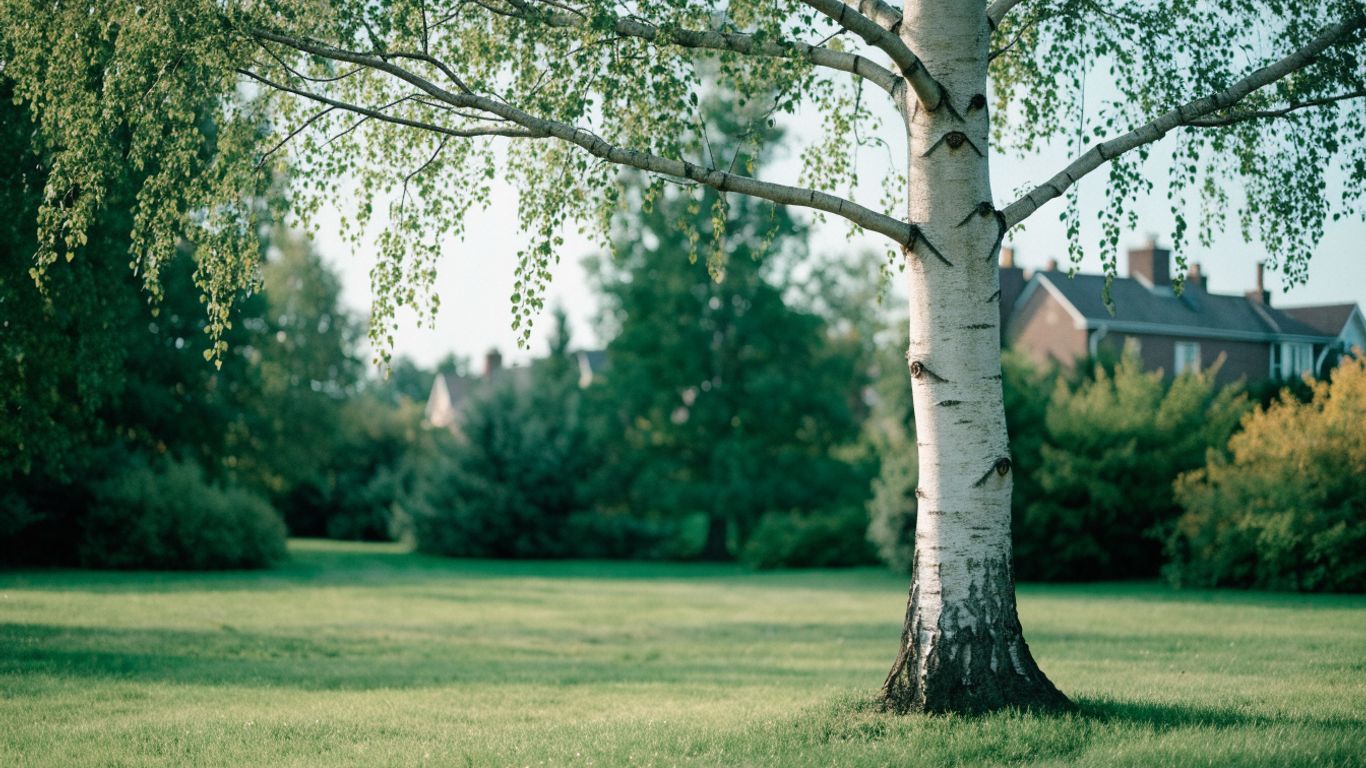
Bronze birch borer is a native beetle whose larvae tunnel beneath the bark. Their tunnels cut through the tissue that carries water and nutrients to the upper crown, which is why damage usually starts at the top of the tree and works downward. The beetle is a close relative of the emerald ash borer, which has killed a large share of Ottawa’s ash trees. The treatment options for emerald ash borer in Ottawa show how seriously these borers need to be taken.
The beetle is strongly attracted to trees already under stress, so drought or poor growing conditions are often part of the picture. Dieback that begins in the upper crown raises suspicion, but on its own it is not enough to confirm the pest.
| What you notice | What it may suggest | What to do next |
|---|---|---|
| D-shaped holes in the bark | Possible bronze birch borer activity | Have the trunk inspected |
| Raised ridges or swollen areas on the trunk | Possible tunnelling beneath the bark | Note where they appear and whether they are spreading |
| Sparse leaves and dead upper branches | Stress or decline with several possible causes | Assess the whole tree and its site |
These observations are clues, not a home diagnosis. A combination of symptoms tells you more than any single one.
Ottawa’s Hot, Dry Summers and Shallow Birch Roots
Birch roots grow close to the surface and prefer cool, moist soil, so they struggle when the upper soil dries out during an Ottawa summer heat wave. A birch growing in an exposed yard, beside pavement or in compacted soil has a harder time taking up enough water. Repeated stress weakens the canopy and makes the tree more attractive to borers.
Pay attention to the site as well as the leaves. Nearby paving, recent construction and changes to watering can all affect root conditions. In a dry spell, water should reach the root zone, not just wet the surface. Mulch helps keep soil cooler and moister, as long as it doesn’t touch the trunk.
Birch Leaf Miner
Birch leaf miner larvae feed inside the leaves, leaving pale, blotchy patches that turn brown. The damage can make a birch look unhealthy, but it is different from the branch dieback that comes with more serious decline. Leaf miner often shows up alongside drought stress or other problems, so don’t assume it is the only cause of a thinning crown.
Look closely at the leaves for papery patches, and check whether the branches themselves are dying. If the leaves are damaged but the twigs are still alive and flexible, leaf miner is the more likely cause. If whole branches are dead, look further.
Root Damage and Soil Compaction in Urban Yards
Roots can be harmed by digging, construction, grade changes, or repeated pressure from vehicles and foot traffic. Compacted soil closes the open spaces roots need for air and water, and cuts to major roots reduce the tree’s ability to support its crown. Similar soil and root problems are behind many cases of maple trees dying in Ottawa yards. Symptoms often appear a year or more after the original disturbance.
Think back to any recent work near the tree, and check whether the soil around it has changed. If the decline followed excavation, paving or heavy traffic over the root area, tell the arborist, because that history helps. Don’t dig around the trunk to investigate, since more disturbance adds more stress.
Age and Natural Decline
A mature birch may gradually lose vigour, especially after years of drought, root disturbance or pest pressure. Birch is not a long-lived tree compared with species like oak or maple, so older birches are often less able to cope with new stress. Age alone does not explain every dead branch, though. A few dead twigs mean something very different from a thinning crown with trunk symptoms and steady decline.
Signs of Bronze Birch Borer to Look For
Bronze birch borer is one possible explanation when a birch is declining, but a few dead branches do not prove it is present. Look for a combination of trunk and canopy clues, and note where they occur. If several signs appear together, arrange an inspection rather than relying on a visual guess.
D-Shaped Exit Holes in the Bark
Adult beetles chew small, D-shaped holes through the bark as they emerge in late spring and early summer. The holes are only a few millimetres wide, and they are often highest in the tree, so they can be hard to spot from the ground. Not seeing any does not rule out a problem. Look along the trunk and larger branches, but don’t peel away bark to get a better view.
Note where you saw any holes and whether there are similar openings elsewhere on the tree. A photo taken from a safe distance helps an arborist understand what caught your attention.
Bumpy Ridges and Rusty Stains on the Trunk
Raised ridges or ripples in birch bark often form over the winding tunnels the larvae make underneath. Brown or rust-coloured staining may also mark a spot worth inspecting. Neither feature alone confirms bronze birch borer, since other injuries can change the trunk’s appearance.
Look for changes in several places rather than one patch. If you see ridges or stains along with dieback in the crown, share that combination with an arborist. Avoid scraping the bark, which injures the tree without confirming the cause.
Thinning Leaves and Dead Branch Tips in the Upper Crown
Wilted, yellowing or sparse leaves near the top, followed by dead branch tips, are often the first visible signs of a borer problem. The same symptoms can also follow drought or root stress. Dieback that moves from the upper branches downward is worth noting, especially if it continues from one season to the next.
Keep track of when leaves thin, yellow or drop, and whether the affected area grows. A simple seasonal record makes it easier for an arborist to compare what you’ve seen with the tree’s condition on site.
Which Birch Trees Are Most at Risk in Ottawa?
European white birch and other non-native birches are generally much more susceptible to bronze birch borer than native birches growing in good conditions. Native birches become vulnerable mainly when they are stressed by heat, drought or root damage. White-barked birches are common in Ottawa front yards and newer subdivisions, which is why this problem comes up so often.
Site conditions matter as much as species. Birches in hot, exposed spots, near pavement or in compacted soil face more stress than trees with cool, well-watered root zones. A tree that has been stressed for years has less capacity to handle new pressure.
If you’re not sure which birch you have, an arborist can identify it while inspecting the canopy and trunk. Don’t assume every white-barked birch faces the same risk, or that a tree is safe just because it has no visible holes.
Can a Dying Birch Tree Be Saved?
Sometimes, yes, particularly when the main problem is stress that can still be reduced. Improving water availability, protecting the root zone and removing a limited amount of dead wood can all support the tree. Consistent regular tree care and maintenance also keeps a birch more vigorous, and vigorous birches are far less attractive to borers.
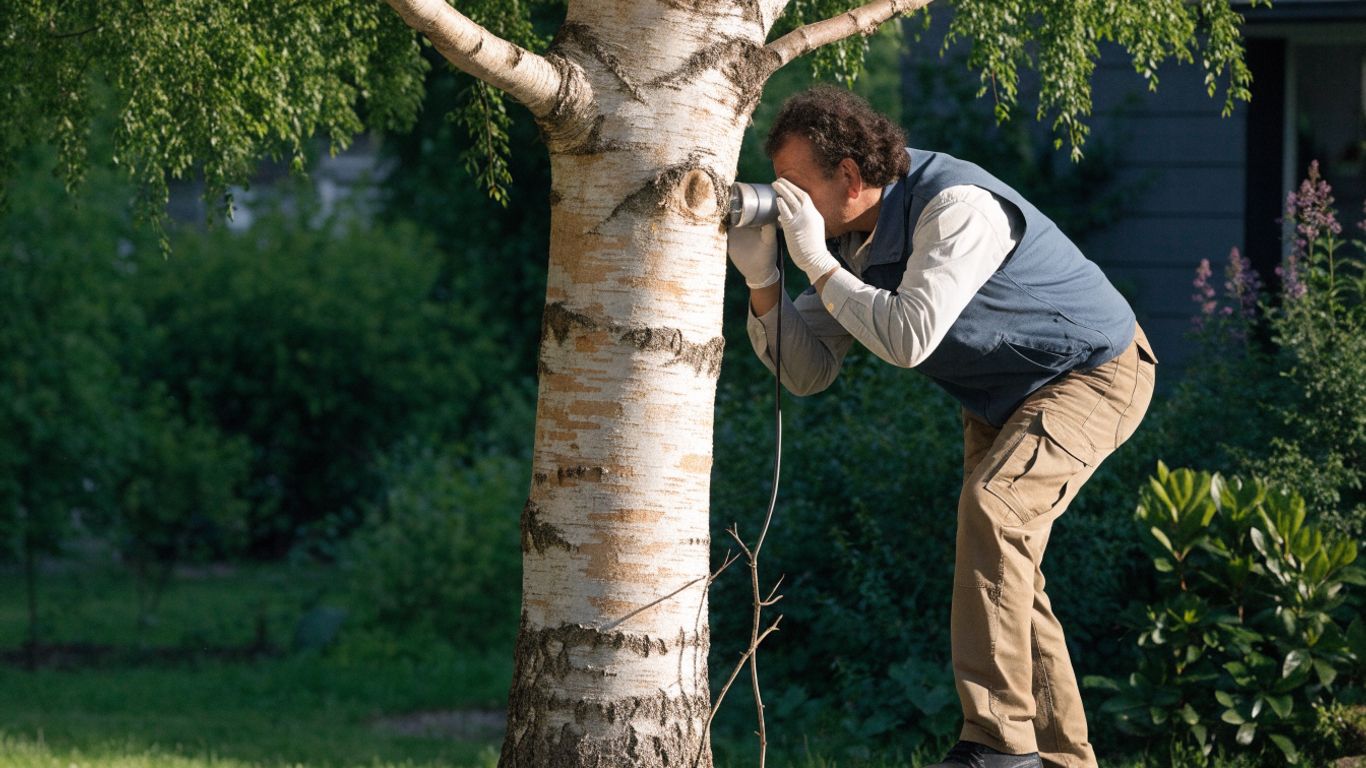
If the trunk or main branches are badly damaged, the roots are severely compromised, or dieback has spread through much of the crown, recovery is unlikely. Trees with heavy borer dieback are generally recommended for removal. An arborist can assess how much living canopy remains and explain which options are realistic.
Avoid trying insecticides or drastic pruning without a diagnosis. Those steps may not address the actual cause, and unnecessary work adds stress.
What to Do If Your Birch Tree Is Dying From the Top Down
If you notice a birch tree dying from top down, make a few observations before acting:
- when the symptoms appeared
- how much of the crown is affected
- whether the trunk has visible holes or ridges
If a large dead limb looks unstable or is hanging, keep people clear and arrange emergency tree removal right away.
Prune Dead Wood at the Right Time of Year in Ottawa
With birch, timing matters more than with most trees. Avoid pruning from late April to mid-July, when adult borers are active and female beetles are drawn to fresh cuts. Pruning birch in spring also causes heavy sap bleeding. Late fall and winter, while the tree is dormant, are the safest times. Timing for other trees is covered in this overview of the best time to trim trees in Ottawa.
When removing dead branches, cut well below the dead wood into healthy tissue, and don’t take out live branches just to balance the crown’s shape. Professional tree pruning makes sure the cuts are clean and placed correctly. If a branch is broken or poses an immediate hazard, safety comes before waiting for the ideal season.
Water Deeply and Keep the Root Zone Cool
During dry weather, water slowly so it soaks into the soil around the root zone instead of running off. How often to water depends on rainfall, soil and site, so check whether the soil is drying out before adding more.
A few simple steps reduce avoidable stress around the roots:
- Water the soil gradually during extended dry periods.
- Spread mulch over the root area, leaving a gap around the trunk.
- Keep vehicles and regular foot traffic off the root zone where possible.
- Avoid digging or changing the soil grade near the tree without advice.
These steps support better growing conditions, but they can’t cure borer damage or restore badly injured roots.
When a Birch Tree Dying From the Top Should Be Removed
Top dieback alone does not mean a birch has to come down. Removal is usually considered when decline is extensive, the structure is significantly damaged, or the tree creates an unacceptable risk to people or property. Advanced decline is one of the common reasons for tree removal in Ottawa, especially when dead limbs hang over a home, driveway or busy part of the yard.
Do not climb the tree or try to remove large limbs yourself. If you see a sudden change, a hanging branch or a crack in a major limb, keep clear and contact a qualified tree care professional.
If removal is recommended, winter is often a practical time for it. Frozen ground protects lawns and gardens, and there are several reasons winter can be the best time to have trees removed. Once the tree is gone, stump grinding clears the space for replanting. Choose a more borer-resistant species if you want to plant birch again.
Get a Birch Tree Assessment From a Certified Ottawa Arborist
An on-site assessment can separate borer activity from drought stress, root damage or other causes of decline. The arborist examines the canopy and trunk, considers the tree’s site, and asks about recent changes such as construction or watering.
Before the visit:
- Note when the symptoms began and whether they have spread.
- If you can do it safely from the ground, take clear photos of the affected crown and any unusual trunk features.
- Don’t remove bark or cut into a branch to investigate.
The certified arborists at Wright Tree Service assess birch trees across Ottawa through professional arborist services. They explain what the findings mean for the tree’s health and safety, and whether monitoring, pruning or removal makes the most sense. To have a declining birch looked at, book a tree assessment.
Conclusion
A birch tree dying from the top can be responding to bronze birch borer, dry conditions, root damage or age, and the same tree often faces more than one stress. Watch for changes in the canopy and trunk, protect the root zone, prune only when the tree is dormant, and get a certified arborist’s assessment before choosing treatment or removal. Early attention gives you more options, even when the tree can’t be saved.
Frequently Asked Questions
Why is my birch tree dying from the top?
The most common cause is bronze birch borer, a beetle whose larvae tunnel under the bark and cut off water to the upper crown, so dieback starts at the top and moves down. Drought stress on birch’s shallow roots, root damage, soil compaction and age can cause similar symptoms, and they often make a tree more attractive to borers. Check the trunk for D-shaped holes and raised ridges to help narrow it down.
What are the signs of bronze birch borer?
Look for:
- thinning or yellowing leaves and dead branch tips at the top of the tree
- small D-shaped exit holes in the bark
- raised, bumpy ridges on the trunk
- sometimes, rusty-brown staining
The holes are often high in the tree and hard to see from the ground, so an arborist inspection gives the clearest answer.
Does birch leaf miner kill birch trees?
Rarely on its own. Leaf miner causes blotchy brown patches on the leaves and can make a birch look unhealthy, but the branches usually stay alive. If whole branches are dying or the crown is thinning from the top, a more serious cause such as bronze birch borer or drought stress is likely involved.
Can a dying birch tree be saved?
It depends on the cause and how much of the tree is affected. A birch with limited dieback caused mainly by drought or site stress may recover with deep watering, mulching and removal of dead wood. A tree with heavy borer damage through much of the crown usually cannot be saved, and removal is often the safer choice.
When is the best time to prune a birch tree in Ottawa?
Late fall and winter, while the tree is dormant. Avoid pruning from late April to mid-July, when bronze birch borer adults are active and drawn to fresh cuts. Spring pruning also causes heavy sap bleeding. Broken or hazardous branches should be removed whenever they become a safety risk.
How often should I water a birch tree in summer?
There’s no single schedule. It depends on rainfall, soil type and how exposed the tree is. During dry spells, water slowly and deeply so moisture reaches the shallow roots, and check the soil a few centimetres down before watering again. Mulch over the root zone helps the soil stay cool and moist between waterings.
When should a birch tree be removed?
Consider removal when dieback has spread through much of the crown, when major limbs or the trunk are damaged, or when dead branches hang over a home, driveway or busy area. Top dieback alone isn’t enough to decide. A certified arborist can assess the tree’s health and stability and recommend monitoring, pruning or removal.